
Access the 2017 Kia Sportage Maintenance Schedule PDF to ensure your vehicle operates optimally. This free guide outlines essential maintenance tasks, intervals, and checks for optimal performance and longevity. Discover detailed procedures, fluid requirements, and inspection schedules in an easy-to-read format. Keep your Sportage running like new with this comprehensive resource.
Overview of the 2017 Kia Sportage Maintenance Schedule
The 2017 Kia Sportage Maintenance Schedule is a detailed guide designed to help owners maintain their vehicle in optimal condition. It provides a comprehensive list of recommended maintenance tasks, organized by mileage intervals, to ensure the longevity and performance of the Sportage; The schedule covers essential services, such as oil changes, brake fluid checks, and coolant inspections, as well as more specialized procedures for transmission and emissions systems.
By following this schedule, owners can identify the specific maintenance tasks required at each mileage mark. For instance, the guide highlights the importance of regularly inspecting and replacing spark plugs, air filters, and windshield washer fluid. Additionally, it emphasizes the need to monitor tire pressure, belts, and hoses to prevent potential issues before they arise.

The Kia Sportage maintenance schedule also includes recommendations for customizing the plan based on driving habits and environmental conditions. Whether you drive in urban areas or on long highways, this guide ensures your vehicle remains reliable and efficient. Regular upkeep not only extends the life of your Kia but also helps maintain its resale value and ensures a smooth driving experience.
Why Regular Maintenance is Essential for Your Kia Sportage
Why Regular Maintenance is Essential for Your 2017 Kia Sportage
Regular maintenance is a cornerstone of ensuring your 2017 Kia Sportage remains reliable, efficient, and safe. By adhering to the maintenance schedule provided in your vehicle’s guide, you can prevent potential issues before they escalate, saving you both time and money.
Firstly, preventative measures are key to avoiding costly repairs. Routine checks and services can identify minor concerns early, preventing them from developing into major problems. This proactive approach ensures your vehicle remains in optimal condition and extends its lifespan.
Secondly, regular maintenance enhances the vehicle’s performance and efficiency. Tasks such as replacing spark plugs and air filters, along with maintaining proper tire pressure, contribute to your car’s overall efficiency and performance. These practices help your 2017 Kia Sportage operate as intended, providing a smooth and enjoyable driving experience.
Moreover, ensuring compliance with emissions standards and safety regulations is critical. Many maintenance tasks are integral to meeting legal requirements and maintaining the vehicle’s emission compliance. This not only keeps your 2017 Kia Sportage roadworthy but also contributes to environmental sustainability.
Additionally, regular maintenance is crucial for the safety and reliability of your vehicle. Inspecting and maintaining components like belts, hoses, and brakes ensures that your car is safe to drive, providing peace of mind for you and your passengers.
Lastly, following the manufacturer’s recommended maintenance schedule can help maintain your vehicle’s resale value. A well-maintained 2017 Kia Sportage is more appealing to potential buyers and may fetch a better price in the future.
Step-by-Step Guide to Accessing the 2017 Kia Sportage Maintenance Schedule PDF Online
Visit Kia’s Official Website: Start by going to Kia’s official website. Navigate to the “Support” or “Owner’s Manual” section, where you can typically find maintenance schedules and owner manuals.
Search for the 2017 Kia Sportage Manual: In the support section, look for the specific link to the 2017 Kia Sportage maintenance schedule. This document will provide you with detailed information about recommended maintenance tasks based on mileage.

Download the PDF: Once you locate the maintenance schedule, you should be able to download it as a PDF. Ensure that the download is free of charge and that you are accessing it through a legitimate channel to avoid any legal issues.
Explore Third-Party Websites (Optional): If the PDF is not readily available on Kia’s website, consider visiting third-party websites that specialize in providing free vehicle maintenance schedules. Always verify the authenticity of the document to ensure it is accurate and up-to-date.
Utilize Kia’s Mobile App: Kia offers a mobile app that includes a maintenance schedule feature. Downloading and using this app can provide you with immediate access to the necessary information without the need for a physical PDF.
Check Forums and Online Communities: Join forums or online communities dedicated to Kia vehicle owners. Members often share resources and can guide you on how to obtain the maintenance schedule PDF for free.
Verify the Document: Before relying on any maintenance schedule, cross-check the information with the official Kia manual to ensure accuracy.
Backup Copies: If the PDF is important for your records, consider printing a copy or saving it in multiple locations (e.g., cloud storage) to ensure you always have access to it.

By following these steps, you can efficiently access and utilize the 2017 Kia Sportage maintenance schedule PDF, ensuring your vehicle receives the proper care and maintenance it needs. This guide is designed to help you maintain your vehicle effectively and cost-efficiently.
Key Maintenance Tasks for the 2017 Kia Sportage
Maintaining your 2017 Kia Sportage requires a comprehensive approach to ensure optimal performance and longevity. Regular oil changes, fluid checks, and tire pressure monitoring are essential tasks that should be addressed according to the 2017 Kia Sportage Maintenance Schedule PDF.These routine checks prevent minor issues from becoming major problems. Additionally, inspecting belts, hoses, spark plugs, and air filters are critical to maintaining the vehicle’s health. Ignoring these tasks can lead to costly repairs and reduced efficiency. The maintenance schedule PDF offers tailored guidance, allowing you to customize your approach based on driving habits. Adhering to recommended intervals ensures your Sportage remains reliable and performs at its best. Regular maintenance not only extends the vehicle’s lifespan but also enhances safety and driving comfort.
Recommended Maintenance Intervals by Mileage
To maintain the optimal performance and longevity of your 2017 Kia Sportage, it is essential to follow a structured maintenance schedule. Below are the key tasks and their respective mileage intervals:
- Oil Changes: Every 5,000 to 7,500 miles, depending on the oil type (conventional or synthetic)
- Tire Pressure Checks: Every 5,000 miles (ideally monthly for safety and efficiency)
- Spark Plug Replacement: Every 10,000 to 30,000 miles, depending on plug type (regular, iridium, or platinum)
- Brake Fluid and Transmission Fluid Checks: Every 10,000 miles
- Air Filter Replacement: Every 15,000 to 20,000 miles
- Coolant Level and Condition Checks: Every 15,000 miles
- Power Steering Fluid Level Checks: Every 20,000 miles
- Emission Control System Inspection: Every 20,000 miles
- Exhaust System Checks: Every 20,000 miles
- Suspension and Steering Component Inspections: Every 20,000 miles
- Wheel Bearing and Ball Joint Checks: Every 20,000 miles
- Electrical and Electronic Systems Inspection: Every 30,000 miles
- Custom Maintenance Schedule: Adjust based on driving habits (e.g., harsh conditions or towing)
- Kia Service App: Use this tool for maintenance reminders and tracking
By following these maintenance intervals and tasks, you can ensure your 2017 Kia Sportage remains in top condition, minimizing the risk of breakdowns and extending the vehicle’s lifespan;
Oil Change Schedule for the 2017 Kia Sportage
The oil change schedule for the 2017 Kia Sportage is crucial for maintaining optimal engine performance. Regular oil changes help prevent wear and tear, ensuring your vehicle runs smoothly and efficiently. Follow the recommended intervals based on your driving habits:
• Conventional Oil: Change every 5,000 miles
• Synthetic Oil: Change every 7,500 miles
Check your owner’s manual for specific recommendations or consult the Kia Service App for personalized reminders. Always use the correct oil type and grade specified in your vehicle’s manual. Regular oil changes protect your engine and extend its lifespan. If you notice any oil leaks or irregularities, address them promptly to avoid costly repairs.
Schedule routine services at a Kia dealership or trusted repair shop to ensure your engine is properly maintained. Refer to the 2017 Kia Sportage Maintenance Schedule PDF for a comprehensive guide on oil changes and other essential tasks. Keeping your Sportage well-maintained ensures reliability and performance over time.
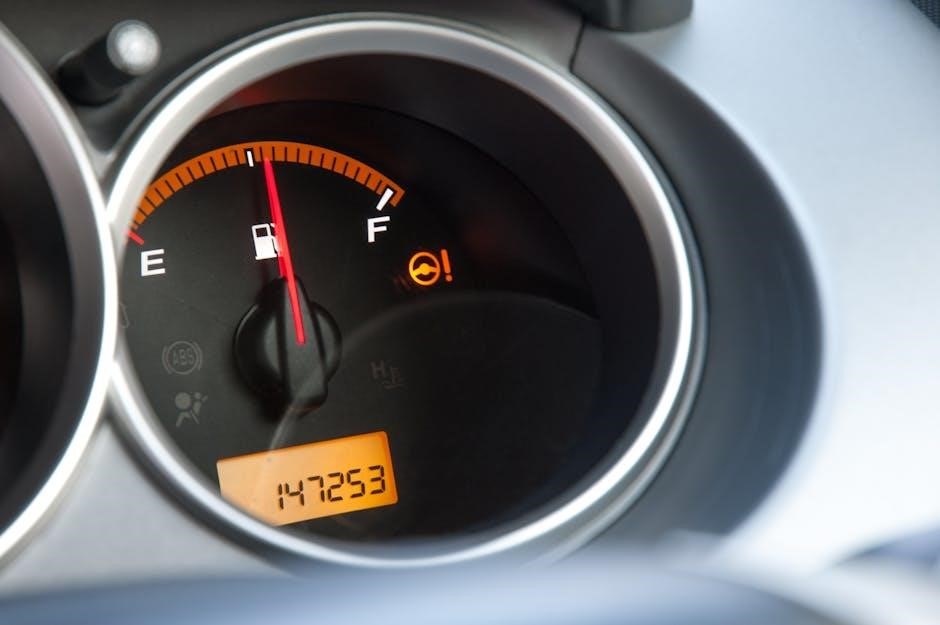
Brake Fluid and Transmission Fluid Checks

For the 2017 Kia Sportage, routine checks of the brake fluid and transmission fluid levels are essential to ensure optimal vehicle performance and safety. Regular maintenance helps prevent issues that could lead to costly repairs or compromise your driving experience.
Brake Fluid: Your Kia Sportage’s brake fluid should be checked approximately every 15,000 miles or as recommended in the owner’s manual. Proper fluid levels are crucial for effective braking. Low or contaminated brake fluid can reduce braking efficiency and increase stopping distance, posing a safety risk.
Transmission Fluid: The transmission fluid should be checked every 20,000 to 30,000 miles, depending on driving conditions. Clean, fresh transmission fluid ensures smooth gear shifts and prevents overheating, which can damage internal components over time.
Consult the 2017 Kia Sportage Maintenance Schedule PDF for specific recommendations tailored to your driving habits. Always use the manufacturer-recommended fluid types to maintain performance. If you notice any fluid leaks or irregularities, address them immediately to prevent further damage.
Regular checks and timely maintenance can significantly extend the life of your vehicle’s braking and transmission systems. Consider having these services performed by a certified technician or refer to the PDF for detailed instructions on how to perform the checks yourself.
Tire Pressure Monitoring System (TPMS) Inspection
The 2017 Kia Sportage is equipped with a Tire Pressure Monitoring System (TPMS) designed to alert you when tire pressure is too low. Proper tire inflation is critical for handling, fuel efficiency, and tire longevity. As part of routine maintenance, inspect the TPMS to ensure it is functioning correctly and providing accurate readings.
According to the 2017 Kia Sportage Maintenance Schedule PDF, the TPMS should be checked periodically, especially if you notice the low-pressure warning light illuminating or if you experience changes in driving conditions. The system uses sensors in each tire to monitor pressure levels and communicate with the vehicle’s control module.
Low tire pressure can lead to poor traction, increased stopping distance, and accelerated tread wear. If the TPMS detects an issue, it will illuminate a warning light on the dashboard. In such cases, check the tire pressure and ensure it matches the levels specified in the owner’s manual. If the system fails to reset after correcting the pressure, consult the PDF for troubleshooting steps or visit a technician.
Regular TPMS inspections help ensure the system remains reliable and accurate. Refer to the maintenance guide for specific recommendations or to learn how to manually check tire pressure using a gauge. A well-maintained TPMS contributes to safer driving and optimal vehicle performance.
Belts and Hoses Inspection
Inspecting the belts and hoses of your 2017 Kia Sportage is crucial for maintaining engine efficiency and longevity. These components are vital for powering essential systems, such as the alternator, power steering pump, and air conditioning compressor. Proper maintenance ensures smooth operation and prevents potential breakdowns.
During an inspection, check for wear, cracks, or fraying in the belts. Ensure the belts are properly tensioned to avoid slipping. For hoses, look for signs of softness, cracking, or bulging, which can indicate wear or damage. Secure connections are essential to prevent leaks and maintain proper coolant flow.
Neglecting these inspections can lead to significant issues, such as engine overheating or system failures, potentially resulting in costly repairs; Regular checks, especially during oil changes, can help identify problems early. Refer to the 2017 Kia Sportage Maintenance Schedule PDF for detailed instructions or if you prefer to conduct the inspection yourself.
By following the maintenance schedule, you can ensure reliable performance and avoid unexpected disruptions. The PDF guide provides comprehensive tips and guidelines, making it a valuable resource for keeping your Sportage in optimal condition. Regular inspections contribute to the overall health and efficiency of your vehicle, allowing you to enjoy hassle-free driving experiences.
Spark Plug Replacement

The spark plugs in your 2017 Kia Sportage play a critical role in ensuring optimal engine performance and efficiency. Over time, spark plugs can become worn or damaged, leading to misfires and reduced power. Replacing them at the recommended intervals is essential for maintaining smooth operation.
Check the state of your spark plugs during routine inspections. Look for signs of fouling, wear, or damage, as these can indicate issues with the ignition system. The maintenance schedule PDF outlines the recommended replacement intervals, typically every 30,000 to 60,000 miles, depending on driving conditions. Regular replacement ensures consistent ignition and prevents costly repairs.
Neglecting spark plug maintenance can result in poor fuel efficiency, rough idling, and difficulty starting the engine. Refer to the free 2017 Kia Sportage PDF guide for detailed instructions on inspecting and replacing spark plugs. This simple task can significantly extend the life of your vehicle’s engine and improve overall performance. Always use high-quality replacement plugs that meet the manufacturer’s specifications for the best results.
Air Filter Replacement

The air filter is an essential component of your 2017 Kia Sportage, as it ensures that only clean air enters the engine, preventing dirt and contaminants from causing damage. A clogged or dirty air filter can lead to reduced engine performance and efficiency. To maintain optimal performance, Kia recommends replacing the air filter every 15,000 to 30,000 miles, depending on your driving conditions. This interval ensures that your engine operates efficiently and extends its lifespan.
Regular inspection of the air filter is also advisable, as it can help identify potential issues early. A clean air filter not only improves fuel efficiency but also enhances the overall performance of your vehicle. Replacing the air filter is a simple yet vital task that can be easily done following the instructions provided in the free maintenance schedule PDF available from Kia.
Remember, a well-maintained air filter contributes to the health and longevity of your 2017 Kia Sportage. Make it a routine to check and replace it as recommended to ensure smooth driving and reliable performance for years to come.
Windshield Washer Fluid Top-Up
Keeping your windshield washer fluid reservoir topped up is a simple yet crucial maintenance task for your 2017 Kia Sportage. The washer fluid ensures optimal performance of your windshield wipers, providing clear visibility in all weather conditions. The maintenance schedule recommends checking and refilling the washer fluid reservoir at least every 5,000 miles or during routine service intervals.
It is essential to use the correct type of washer fluid, especially in cold climates, to prevent freezing and damage to the system. The fluid should be checked during regular inspections, as low levels can leave streaks on the windshield or even damage the wiper motor. To top up the fluid, locate the reservoir under the hood and refill it with a high-quality,AllSeasons washer fluid.
Additionally, ensure the washer fluid is clean and free from debris or contaminants, as dirty fluid can scratch the windshield. Regularly inspecting the system ensures that the washer jets are functioning properly and delivering fluid evenly across the windshield. By maintaining the correct fluid levels, you can enhance your driving experience and protect your vehicle from potential damage caused by ineffective windshield cleaning.
Never neglect this easy task, as it is a quick and cost-effective way to keep your car in top condition. If you notice reduced performance or an empty reservoir, act promptly to avoid unexpected issues on the road. Follow the guidelines in your maintenance schedule PDF to stay on track with this essential maintenance procedure.
Coolant Level and Condition Check
Checking the coolant level and condition is a critical maintenance task for your 2017 Kia Sportage. The coolant plays a vital role in regulating the engine’s temperature, preventing overheating, and protecting against corrosion. It is a simple procedure that can save you from costly repairs in the future.
To check the coolant level, locate the coolant reservoir under the hood, as indicated in your owner’s manual. Ensure the engine is cool before opening the reservoir cap. The coolant level should be within the minimum and maximum markings on the reservoir. If it is low, top it up with a high-quality coolant mixture recommended for your vehicle.
Inspect the coolant for any discoloration, unusual smells, or particles, which may indicate contamination or decomposition. If the coolant appears dirty or suspects issues, it is essential to flush and replace it as per the maintenance schedule. Regular checks help maintain optimal engine performance and prevent premature wear.
During the inspection, also ensure there are no leaks around the radiator, hoses, or coolant lines, as these can lead to coolant loss and engine damage. Replace any worn or cracked hoses to maintain proper coolant circulation. By following the guidelines in your maintenance schedule PDF, you can keep your Sportage’s cooling system in top condition and avoid unexpected breakdowns.
A well-maintained coolant system ensures your engine runs efficiently and prolongs its lifespan. Don’t overlook this simple yet crucial check during routine maintenance to keep your vehicle running smoothly.
Power Steering Fluid Level
The power steering fluid level is a critical aspect of maintaining your 2017 Kia Sportage’s functionality and performance. Proper fluid levels ensure smooth and responsive steering, making your driving experience comfortable and safe. Neglecting this maintenance task can lead to difficulty in steering and potential damage to the power steering system.
Refer to the maintenance schedule PDF to determine the recommended intervals for checking and refilling the power steering fluid. Locate the power steering fluid reservoir under the hood, as indicated in your owner’s manual. Ensure the engine is off and cool before opening the reservoir cap to avoid any risk of burns or spills.
Inspect the fluid level in the reservoir. It should be within the “Min” and “Max” markings. If the level is low, carefully top it up with the recommended power steering fluid, as specified in your vehicle’s manual. Avoid using incorrect fluids, as this can damage the system. Replacing the fluid entirely is necessary if it appears cloudy, has an unpleasant smell, or contains debris.
During the inspection, also check for any leaks or unusual sounds in the power steering system. Worn or cracked hoses can lead to fluid loss and affect steering performance. Replacing these components promptly can prevent further damage and extend the life of your power steering system.
Regularly monitoring the power steering fluid level helps ensure optimal performance and prevents unexpected issues. By following the guidelines in your maintenance schedule, you can keep your Kia Sportage’s steering system in top condition, ensuring a smooth and reliable driving experience.
Emission Control System Inspection
Ensuring the proper functioning of your 2017 Kia Sportage’s emission control system is crucial for both environmental compliance and vehicle performance. This system is designed to reduce harmful emissions, contributing to cleaner air and a more efficient driving experience.
According to the maintenance schedule provided in your free PDF guide, the emission control system should be inspected at regular intervals, typically every 30,000 miles. This inspection involves checking key components such as the catalytic converter, oxygen sensors, and the EGR valve. These components work together to minimize emissions, and their proper functioning is vital to prevent potential issues.
During the inspection, look for any error codes that may indicate issues within the emission control system. Signs of trouble might include the illumination of the “check engine” light. Addressing these issues promptly can prevent further damage and ensure your car remains environmentally friendly.
Regular inspections also help maintain your vehicle’s efficiency and lifespan. A well-maintained emission control system not only complies with environmental regulations but also ensures optimal performance and fuel efficiency.
To streamline your maintenance routine, consider utilizing the free Kia Service App. This tool can help you track and schedule inspections, offering convenience and peace of mind.
Exhaust System Check
An essential aspect of maintaining your 2017 Kia Sportage is regularly checking its exhaust system to ensure optimal performance and safety. The exhaust system plays a crucial role in directing harmful gases away from the vehicle, preventing carbon monoxide poisoning, and reducing emissions. The maintenance schedule provided in your free PDF guide recommends inspecting the exhaust system at specific mileage intervals, typically every 30,000 miles, to ensure its proper functioning.
During an exhaust system check, key components such as the exhaust manifold, pipes, muffler, and tailpipe are examined for signs of damage, rust, or leaks. Leaks can not only reduce the efficiency of your vehicle but also pose a safety risk by allowing harmful gases to enter the cabin. Additionally, inspecting the exhaust hangers and clamps is essential to prevent excessive vibrations and potential damage to other parts of the vehicle.
It is important to address any issues promptly to avoid further damage and maintain the longevity of your Sportage. Regular exhaust system checks contribute to better fuel efficiency, reduced emissions, and a safer driving experience.
By adhering to the guidelines in your maintenance schedule PDF, you can ensure your exhaust system operates efficiently and safely, reducing the risk of costly repairs and potential hazards.
Suspension and Steering Component Inspection
Regular inspection of your 2017 Kia Sportage’s suspension and steering components is essential for maintaining handling, safety, and comfort. The suspension system absorbs shocks from the road, while the steering system ensures precise control. Over time, components like ball joints, control arms, and bushings can wear out or become misaligned.
Your maintenance schedule PDF recommends inspecting suspension and steering components every 30,000 miles or as specified. During inspections, technicians check for wear, damage, or excessive play in parts like ball joints and tie rods. bushes between components are also examined for degradation to maintain proper alignment.
Signs of issues may include uneven tire wear, pulling to one side, or difficulty steering. Addressing these promptly prevents further damage to suspension or steering components.
Proper maintenance ensures smooth, predictable handling, enhances ride comfort, and prolongs the life of your suspension and steering systems. By following the guidelines in your PDF, you can keep your Sportage handling at its best.
Wheel Bearing and Ball Joint Check
Regular inspection of your 2017 Kia Sportage’s wheel bearings and ball joints is crucial for maintaining smooth handling, safety, and vehicle longevity. Wheel bearings allow the wheels to spin freely, while ball joints connect the control arm to the steering knuckle, enabling precise steering movements. These components can wear out over time, leading to issues like uneven tire wear, difficulty steering, or even safety concerns if they fail.
According to the maintenance schedule PDF, these components should be checked periodically, with specific intervals outlined, often around 30,000 miles or as specified. During these inspections, technicians look for wear, damage, or excessive play in the ball joints and check the wheel bearings for proper lubrication and function.
Symptoms of worn components may include unusual noises when turning, difficulty steering, or uneven tire wear. Addressing these issues promptly prevents further damage and ensures safe and reliable driving.
These checks are best performed by qualified technicians, who use specialized tools to inspect and adjust these components. Replacing damaged parts with genuine Kia components ensures compatibility and performance.
Seasonal maintenance is also important, as cold weather can affect these components due to thermal expansion and contraction. Modern features, like electronic sensors for wheel bearings, can help detect issues early.
Regular checks not only enhance vehicle performance and safety but also contribute to environmental sustainability by preventing oil leaks and optimizing fuel efficiency; Timely maintenance saves money in the long run by avoiding costly repairs and ensuring the vehicle’s lasting value.
Kia owners are encouraged to monitor warning lights, maintain proper tire pressure, and stay vigilant about the vehicle’s behavior. Utilizing Kia’s free service app can help track maintenance schedules and stay proactive.
Free Resources for Kia Sportage Owners
As a Kia Sportage owner, access to valuable free resources can significantly enhance your vehicle maintenance and overall ownership experience. Here are some essential resources to explore:
Owner’s Manual: The Kia Sportage owner’s manual is an indispensable guide, offering detailed information on maintenance, operation, and troubleshooting. You can download a free PDF version of this manual from Kia’s official website, providing you with all the necessary details right at your fingertips.
Maintenance Schedules: Kia provides free PDF maintenance schedules tailored to your 2017 Kia Sportage. These schedules outline specific tasks and intervals, ensuring your vehicle receives the care it needs to function optimally and extend its lifespan.
Online Forums and Communities: Join reputable online forums or communities where Kia Sportage owners share tips, experiences, and advice. These platforms offer a wealth of real-world knowledge and support, helping you stay informed and connected with other owners.
Kia Official App: Kia offers a free app that assists in tracking maintenance history, scheduling service reminders, and locating nearby dealers or service centers. This app is a convenient tool for staying proactive with your vehicle’s care.
Video Resources: Enhance your understanding of maintenance tasks with video tutorials available on Kia’s official YouTube channel and other trusted platforms. These videos provide step-by-step guidance, making maintenance easier and more accessible.
Printable Checklists: Access free printable checklists and maintenance logs online to keep track of completed tasks and plan future maintenance. These tools help you organize and manage your vehicle’s care efficiently.
By utilizing these resources, Kia Sportage owners can ensure their vehicle remains in top condition. These tools not only provide practical assistance but also contribute to extending the vehicle’s lifespan, improving performance, and enhancing safety. Make the most of these free resources to enjoy a smooth and enjoyable ownership experience.