Tattoo Placement Guide: A Comprehensive Overview (Updated 03/09/2026)
Navigating tattoo placement requires considering aging, pain tolerance, sun exposure, and societal factors for lasting artistic expression and personal satisfaction.
Choosing where to place a tattoo is a deeply personal, yet critically important decision. It’s far more than simply selecting an aesthetically pleasing spot; it’s about understanding the long-term implications for the artwork and your body. A well-considered placement enhances the design, complements your physique, and minimizes potential issues like distortion or fading.
Tattoo placement significantly impacts how a tattoo ages, how much pain you’ll experience during application, and even how society perceives your body art. Factors like skin elasticity, sun exposure, and joint movement all play a role. Ignoring these elements can lead to a tattoo that looks different than intended over time, or one that causes discomfort or regret. Careful planning ensures a beautiful, lasting piece of art you’ll cherish for years to come.
Understanding How Your Body Changes
Your body is a dynamic landscape, constantly evolving, and this evolution directly affects your tattoo’s appearance over time. Skin loses elasticity as we age, leading to stretching and sagging, particularly in areas prone to weight fluctuations or muscle loss. This impacts tattoo lines and overall clarity.
Consider how your body might change in the future. Weight gain or loss can distort designs, while muscle development can alter their shape. Areas with significant movement, like elbows and knees, experience greater skin stress. Understanding these potential shifts is crucial for selecting a placement that will maintain the integrity of your tattoo for decades. Proactive consideration minimizes the risk of a distorted or blurred design later in life.
Pain Levels & Tattoo Placement
Pain perception during tattooing is subjective, varying with individual tolerance, age, and sex, but certain areas are consistently reported as more or less painful. Bone proximity significantly increases discomfort, as the needle vibrates closer to nerve endings.
Areas with less fat padding and more nerve endings, like the ribs, spine, and fingers, are generally considered high-pain zones. Moderate pain is typically experienced on the stomach, forearms, and thighs. Conversely, outer arms, calves, and outer thighs usually involve lower pain levels due to thicker skin and more cushioning. Choosing a less sensitive area can make the tattooing process more manageable, especially for first-timers.
High-Pain Areas: Ribs, Spine, and Fingers
The ribs, spine, and fingers represent some of the most intensely painful locations for getting a tattoo, due to their unique anatomical characteristics. The ribcage offers minimal muscle and fat padding, meaning the needle directly impacts bone and sensitive nerves.
Similarly, the spine’s proximity to the central nervous system amplifies discomfort. Fingers are challenging due to thin skin, numerous nerve endings, and the bone lying close to the surface. Expect a sharp, burning sensation in these areas, often described as excruciating. These placements demand a high pain tolerance and are generally not recommended for first-time tattoo recipients.
Moderate-Pain Areas: Stomach, Forearms, and Thighs
The stomach, forearms, and thighs fall into a moderate pain category when considering tattoo placement, offering a balance between sensitivity and tolerance. The stomach, while having some fat, contains sensitive skin and can be affected by breathing during the process, increasing discomfort.
Forearms possess less fat than the thighs, with the bone closer to the surface, resulting in a noticeable, but manageable, stinging sensation. Thighs generally have more muscle and fat, providing a cushion, though inner thighs can be more sensitive. These areas are popular choices for those seeking a noticeable tattoo without extreme pain, suitable for individuals with some tattoo experience.
Low-Pain Areas: Outer Arms, Calves, and Outer Thighs
For those with a lower pain tolerance, the outer arms, calves, and outer thighs present excellent options for tattoo placement. These areas generally feature more muscle and fat coverage, providing a natural cushion against the needle’s sensation.
The outer arm boasts substantial muscle and thicker skin, making it one of the least painful spots to get inked. Calves offer a similar experience, with a good muscle-to-fat ratio. Outer thighs also provide a relatively comfortable experience, though proximity to the bone can increase sensitivity slightly. These locations are ideal for first-timers or larger, more intricate designs.
Aging & Tattoo Distortion
As the body ages, skin loses elasticity, inevitably impacting tattoo appearance and potentially causing distortion over time. Understanding this process is crucial for informed placement decisions, ensuring your artwork remains visually appealing for decades.
Skin’s natural decline in collagen and elastin leads to sagging and wrinkling, affecting tattoo lines and shapes. Areas experiencing significant movement or weight fluctuations are particularly susceptible to distortion. Careful consideration of these factors can help mitigate unwanted changes. Choosing placements with stable skin and minimal movement will contribute to a longer-lasting, clearer tattoo image throughout your life.
Impact of Skin Elasticity on Tattoo Appearance
Skin elasticity plays a pivotal role in how a tattoo ages and maintains its original form. Highly elastic skin stretches and retracts effectively, accommodating movement without significantly distorting the ink. Conversely, diminished elasticity, common with age or sun damage, leads to sagging and wrinkling, impacting tattoo clarity.
When skin loses its ability to ‘bounce back,’ tattoo lines can blur, colors can bleed, and the overall design can appear stretched or warped. This effect is more pronounced in areas prone to skin laxity. Maintaining skin health through hydration and sun protection can help preserve elasticity and, consequently, tattoo vibrancy and definition over the years.
Areas Prone to Distortion: Elbows, Knees, and Hips
Certain body areas experience frequent movement and skin folding, making them susceptible to tattoo distortion over time. Elbows and knees, due to constant bending, can cause lines to stretch and blur, altering the original design’s shape. Similarly, hips and areas with significant muscle mass shifts can distort tattoos as the underlying tissue changes.
These areas lack the stable skin support found elsewhere on the body. Designs placed over joints may appear warped or stretched when the joint is in motion. Careful consideration of design size and complexity is crucial when choosing these locations, potentially opting for smaller, simpler designs to minimize distortion.
Sun Exposure & Tattoo Fading
Ultraviolet (UV) radiation from sun exposure is a primary culprit in tattoo fading and color distortion. The sun’s rays break down the ink pigments within the skin, leading to a washed-out appearance over time. Consistent and prolonged sun exposure significantly accelerates this process, diminishing the vibrancy of your tattoo.
Certain areas are particularly vulnerable, including the neck, hands, and feet, as they are frequently exposed. Protecting your tattoo with high-SPF sunscreen is paramount, even on cloudy days. Clothing can also provide a physical barrier against harmful UV rays, preserving the tattoo’s original brilliance for years to come.
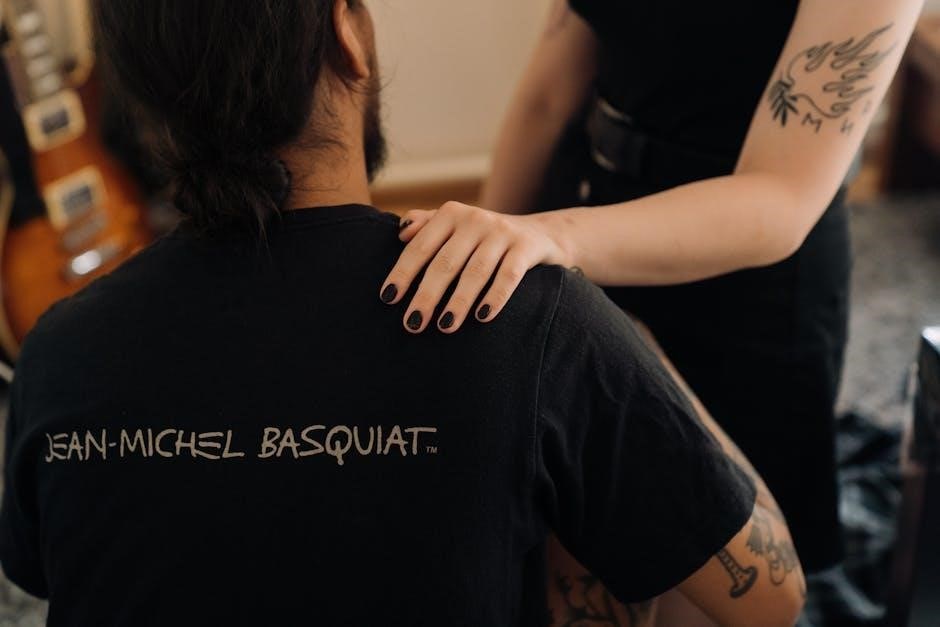
High-Risk Areas: Neck, Hands, and Feet
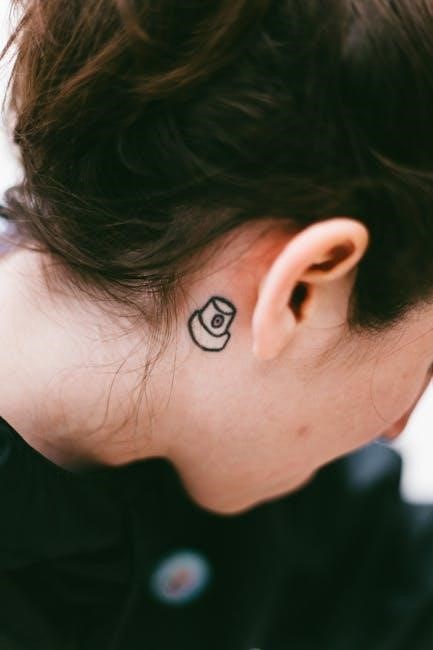
The neck, hands, and feet present unique challenges regarding tattoo longevity due to constant exposure and skin characteristics. These areas experience significant friction, frequent washing, and direct sunlight, accelerating ink breakdown and fading. The skin on these locations also has a higher cell turnover rate compared to other body parts.
Consequently, tattoos on the neck, hands, and feet often require more frequent touch-ups to maintain their vibrancy. Consider smaller, simpler designs for these areas, as intricate details may blur more quickly. Diligent sun protection and moisturizing are crucial for preserving the tattoo’s appearance in these high-risk zones.
Protecting Your Tattoo from UV Damage
Sun exposure is a primary culprit in tattoo fading and degradation, necessitating proactive protection measures. Ultraviolet (UV) rays break down the ink particles within the skin, causing colors to become dull and lines to blur over time. Consistent application of a broad-spectrum sunscreen with a high SPF (30 or higher) is paramount, even on cloudy days.
Reapply sunscreen liberally and frequently, especially when the tattoo is exposed. Consider clothing coverage – long sleeves, pants, and hats – as a physical barrier against the sun. Specialized tattoo sunscreens are available, formulated to protect ink vibrancy. Prioritizing sun protection ensures your tattoo remains a vivid and lasting work of art.
Societal Considerations & Tattoo Visibility
Tattoo visibility significantly impacts social and professional perceptions, demanding careful consideration during placement selection. While societal acceptance of tattoos is growing, certain environments maintain conservative standards. Visible tattoos – on the neck, hands, or face – may be scrutinized in professional settings, potentially influencing career opportunities.
Furthermore, cultural sensitivities surrounding tattoos vary widely. Researching and respecting local customs is crucial, particularly when traveling or living in different regions. Discreet placement can offer flexibility, allowing you to manage visibility based on the context. Ultimately, choosing a location that aligns with your lifestyle and values is essential for long-term comfort and confidence.
Professional Environments & Tattoo Acceptance
Navigating tattoo acceptance in professional settings requires strategic placement choices and awareness of industry norms. Traditionally conservative fields like finance, law, and healthcare often maintain stricter policies regarding visible body art. Tattoos prominently displayed on hands, necks, or faces may present challenges during job applications and career advancement.
However, acceptance is evolving, particularly in creative industries and more progressive workplaces. Discreet placement – such as upper arms, back, or thighs – allows for coverage when necessary, offering a balance between personal expression and professional expectations. Understanding a company’s culture and dress code before getting inked is crucial for avoiding potential conflicts.
Cultural Sensitivities Regarding Tattoo Placement
Respecting cultural traditions is paramount when considering tattoo placement, as meanings and acceptability vary significantly worldwide. In some cultures, specific body parts are considered sacred, and tattooing them is deeply disrespectful. For example, certain areas may be associated with ancestors or spiritual beliefs.
Researching the cultural significance of placement is vital, especially when traveling or adopting designs from other traditions. What might be acceptable in one society could be highly offensive in another. Avoiding tattoos on the soles of the feet in some Asian cultures, or being mindful of religious symbols, demonstrates cultural sensitivity. Prioritizing respectful consideration ensures your body art honors, rather than offends.
Specific Placement Ideas & Considerations
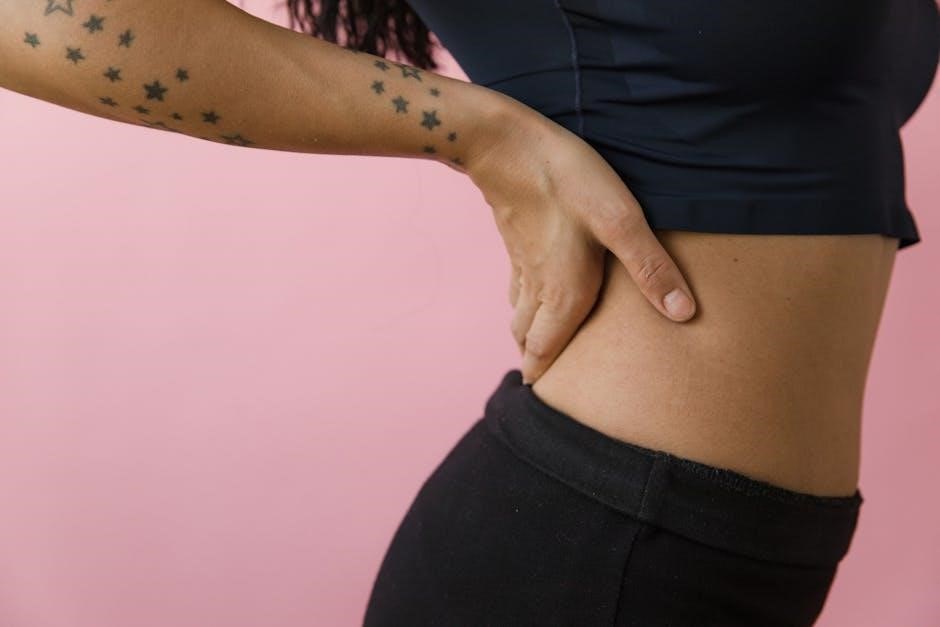
Exploring various locations unlocks unique aesthetic possibilities, but each presents distinct advantages and drawbacks. The upper arm offers a classic, versatile canvas suitable for many designs, while the forearm provides visibility with moderate pain. The back allows for expansive artwork, offering lower visibility for professional settings.
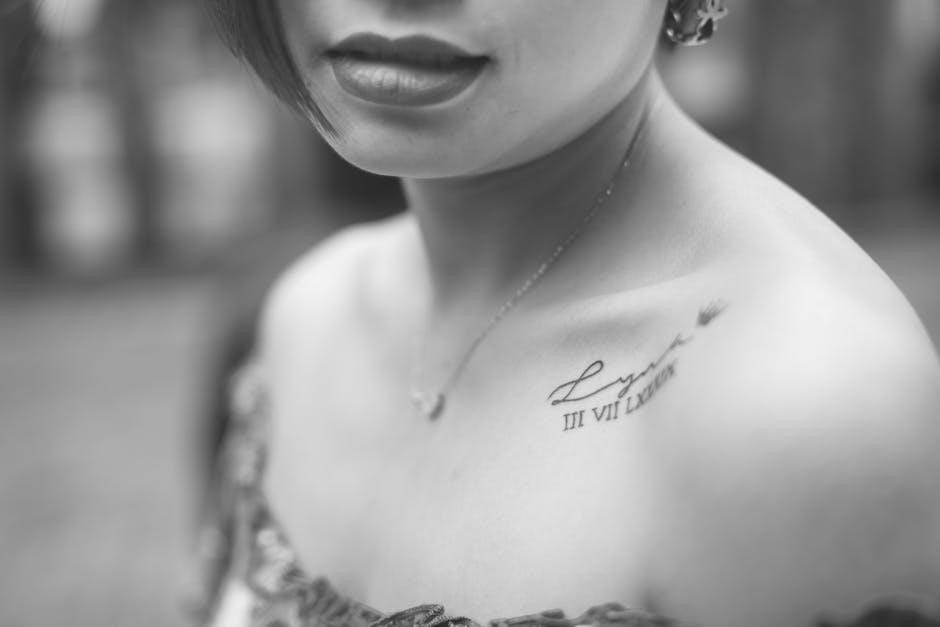
Calves accommodate larger designs comfortably, though pain levels are moderate. Shoulders showcase artwork beautifully, also with moderate discomfort. Smaller designs suit the ankle or foot, but these areas are prone to faster fading. Carefully weigh visibility, pain, potential distortion, and personal style when selecting your placement.
Upper Arm: Classic & Versatile Placement
The upper arm remains a consistently popular choice, celebrated for its adaptability and relatively moderate pain levels. This location offers a substantial, generally flat surface ideal for a wide range of tattoo styles and sizes – from intricate sleeves to smaller, symbolic pieces. It’s a versatile canvas accommodating both bold and delicate designs.
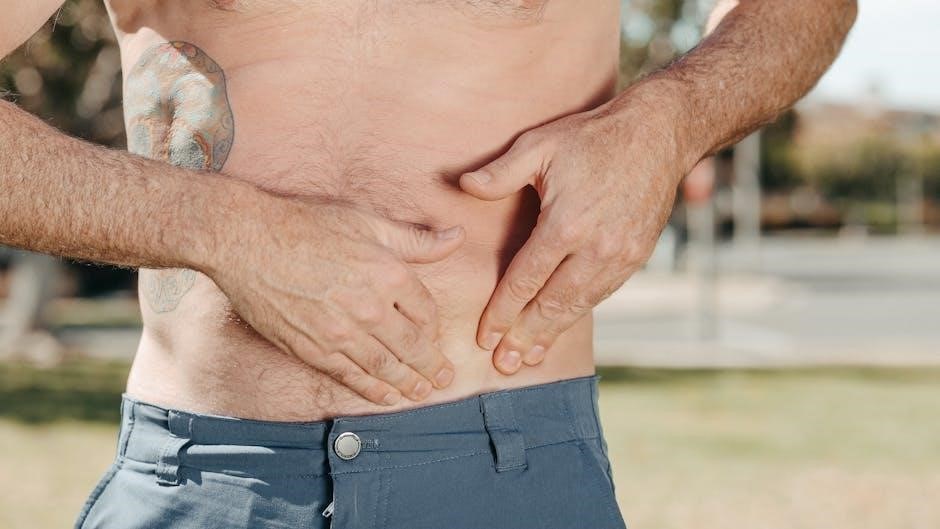
Visibility is controllable; sleeves can be covered easily for professional environments, while smaller pieces can be showcased selectively. Skin elasticity in this area is fairly stable, minimizing distortion with age compared to joints. It’s a solid option for first-timers and seasoned collectors alike, offering a balance of aesthetics and practicality.

Forearm: Popular, Visible, and Moderate Pain
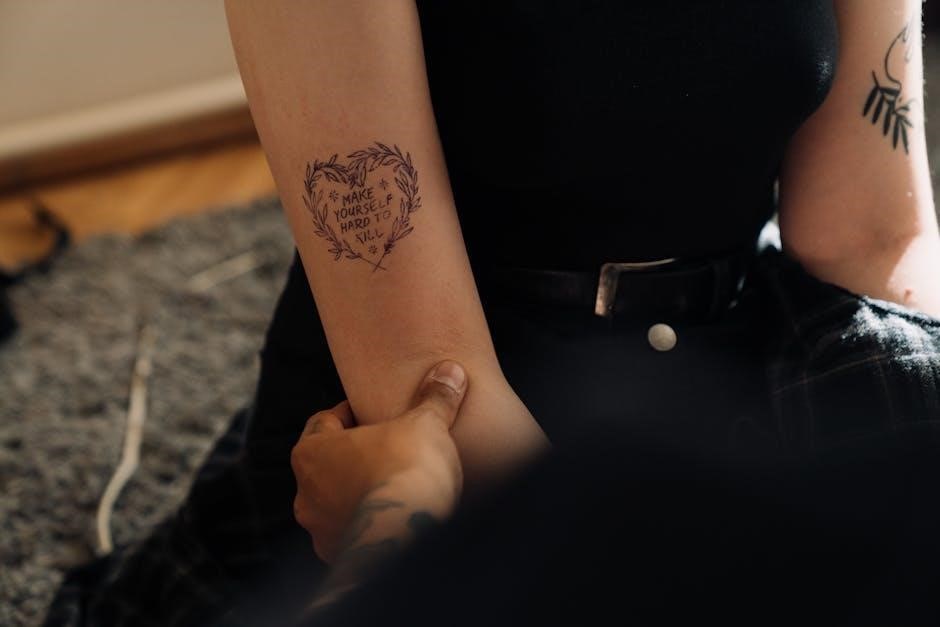
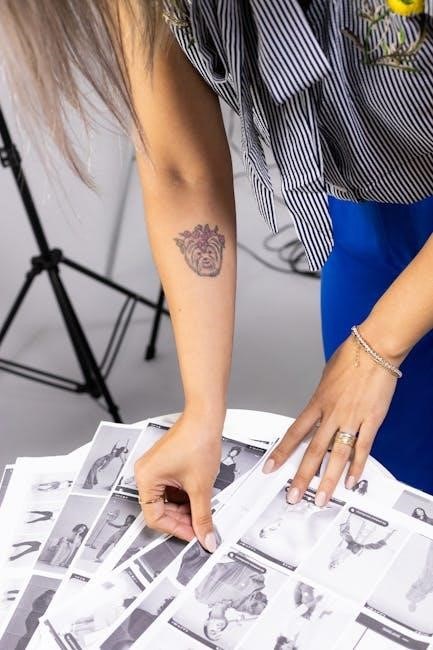
The forearm consistently ranks as a highly sought-after tattoo location, balancing visibility with manageable discomfort. Its relatively flat surface provides a good canvas for detailed artwork, though muscle movement can subtly affect designs over time. Pain levels are generally considered moderate, making it accessible for many individuals.
However, the forearm’s prominent placement means tattoos are consistently exposed to the elements, increasing the risk of fading from sun exposure – diligent aftercare and sun protection are crucial. It’s a location that readily displays personal expression, but may require consideration in more conservative professional settings. It’s a great choice for showcasing meaningful designs.
Back: Large Canvas, Lower Visibility
The back presents a substantial and versatile canvas for extensive tattoo designs, offering a degree of concealment that other areas lack. This makes it a popular choice for larger, more intricate pieces or those seeking a personal statement not always on display. Pain levels are typically lower compared to bony or sensitive areas, though the upper back can be more sensitive.
However, the back’s flexibility and skin movement mean designs may experience some distortion over time, particularly with significant weight fluctuations. Sun exposure is less of an immediate concern, but still requires attention. It’s ideal for elaborate artwork, but consider how clothing will interact with the design.
Calf: Good for Larger Designs, Moderate Pain
The calf muscle provides a relatively smooth and broad surface, well-suited for accommodating larger and more detailed tattoo designs. While not entirely hidden, it offers a balance between visibility and discretion, making it a versatile choice for many individuals. Pain levels are generally considered moderate, as there’s muscle and some fat cushioning the bone.
However, calf tattoos can be subject to some distortion with movement, especially during exercise. Sun exposure is a moderate concern, requiring consistent protection to prevent fading. Consider the shape of the calf and how the design will flow with the muscle’s contours for optimal aesthetic results.
Shoulder: Showcases Design, Moderate Pain
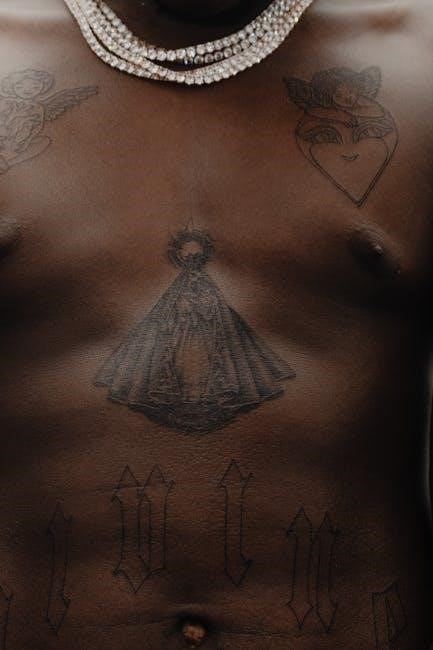
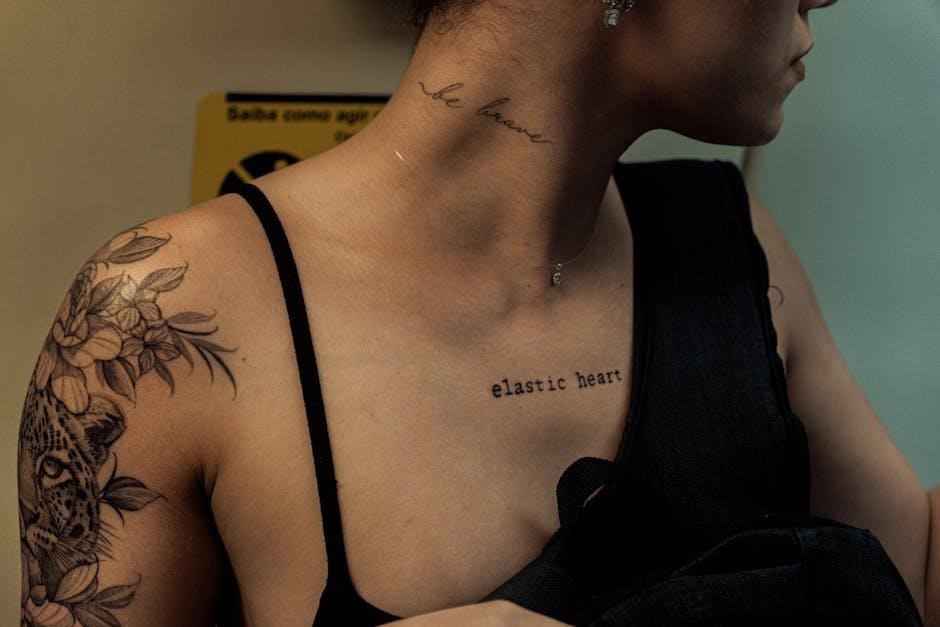
The shoulder presents an excellent canvas for showcasing tattoo designs, benefiting from a relatively flat surface and good visibility. It’s a popular location for both men and women, allowing for a wide range of styles and sizes, from smaller symbolic pieces to larger, more elaborate artwork. Pain levels are typically moderate, as the area has a mix of muscle and bone proximity.
However, shoulder tattoos are prone to sun exposure, necessitating diligent aftercare and sun protection to maintain vibrancy. Consider how the design will move with the shoulder joint; simpler designs may hold up better over time. The shoulder’s shape can also influence design choices.
Ankle/Foot: Smaller Designs, Higher Fading Risk
The ankle and foot are frequently chosen for delicate, smaller tattoo designs, offering a discreet yet visible placement option. These areas are particularly popular for minimalist artwork or symbolic representations. However, it’s crucial to acknowledge the higher risk of fading due to constant friction from shoes and increased exposure to the elements.
Pain levels can vary, with the ankle bone being more sensitive. Foot tattoos, especially on the soles, can be quite painful. Regular moisturizing is essential to combat dryness and fading. Consider the design’s longevity; intricate details may blur over time due to skin movement and wear.