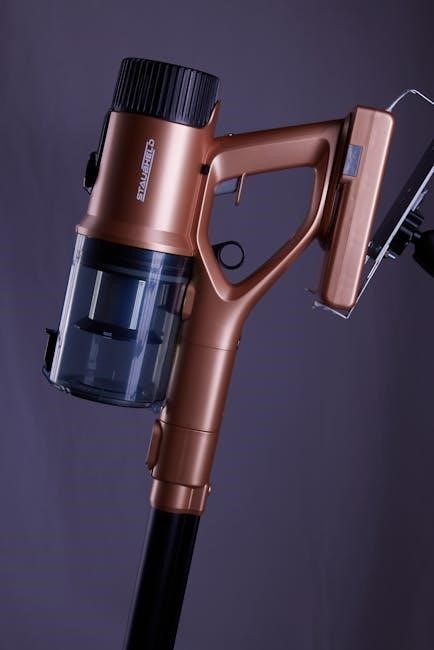
Kenmore Intuition Vacuum Owners Manual: A Comprehensive Guide
This manual provides detailed instructions for Kenmore Intuition vacuums‚ including models 31069 and BU4022‚ covering assembly‚ operation‚ maintenance‚ and troubleshooting.
The Kenmore Intuition vacuum series represents a commitment to powerful cleaning and innovative design. These vacuums‚ available in both upright bagged (like model 31069) and canister configurations (such as BU4022)‚ are engineered to tackle a variety of floor types and cleaning challenges. This owner’s manual serves as a comprehensive resource‚ guiding you through every aspect of your vacuum’s use and care.
Whether you’ve chosen an Intuition model with HEPA filtration or one featuring Hair Eliminator technology‚ understanding its features is key to maximizing its performance. This guide will detail everything from initial setup and operation to essential maintenance procedures‚ ensuring years of reliable cleaning power. We aim to provide clarity and support for a seamless vacuuming experience.
Understanding Your Vacuum Model Number
Your Kenmore Intuition vacuum’s model number is crucial for identifying specific features‚ accessing the correct replacement parts‚ and downloading the appropriate documentation. Common examples include 31069 (an upright bagged model with HEPA filtration) and BU4022 (a canister vacuum). This number is typically located on a sticker affixed to the vacuum cleaner itself – often on the underside‚ the back‚ or near the dust compartment.
Knowing your model number allows you to pinpoint compatible accessories and ensures you’re referencing the correct owner’s manual or troubleshooting guides. When contacting Kenmore customer support or ordering parts‚ always have this number readily available for efficient assistance. It’s a key identifier for your specific vacuum configuration.

Safety Precautions and Warnings
Important Safety Instructions: To reduce the risk of fire‚ electrical shock‚ or injury‚ always unplug your Kenmore Intuition vacuum before performing any maintenance or troubleshooting. Do not use outdoors or on wet surfaces. Never operate with a damaged cord or plug. Keep hair‚ loose clothing‚ fingers‚ and all body parts away from moving parts.
This appliance is not intended for use by persons (including children) with reduced physical‚ sensory‚ or mental capabilities‚ or lack of experience and knowledge‚ unless supervised. Use only as described in this manual. Misuse could result in damage or injury. Always turn off and unplug before changing filters or emptying the dust container.

Assembly and Initial Setup
Proper assembly is crucial for optimal performance. This section details unboxing‚ component identification‚ and step-by-step instructions for assembling your Kenmore Intuition vacuum.
Unboxing and Component Identification
Carefully unpack your Kenmore Intuition vacuum and verify all components are present. The box should contain the main vacuum body‚ the hose‚ a wand‚ various attachments (crevice tool‚ dusting brush‚ etc.)‚ a dust bag (or bagless container)‚ and this owner’s manual.
Inspect each part for any shipping damage. Familiarize yourself with the vacuum’s key features – the power button‚ suction control‚ and filter access points. Refer to the diagrams in this manual to correctly identify each component. Retain the original packaging for potential future transport or warranty claims. Missing parts? Contact Kenmore customer support immediately for assistance.
Assembling the Vacuum Cleaner
Begin assembly by securely attaching the base of the vacuum to the main body‚ ensuring it clicks firmly into place. Next‚ connect the wand to the vacuum body or hose‚ depending on your model. For upright models‚ ensure the handle is properly locked into the upright position for stability during use.
Double-check all connections to prevent air leaks and ensure optimal suction; Refer to the included diagrams for visual guidance. If you encounter resistance‚ do not force the parts together; re-examine the alignment. Proper assembly is crucial for efficient cleaning and the longevity of your Kenmore Intuition vacuum.
Attaching the Hose and Wand
To attach the hose‚ align the cuff of the hose with the vacuum’s intake port and twist until it locks securely. A clicking sound usually indicates a proper connection. The wand then connects to either the hose directly‚ or to the vacuum body‚ depending on the model. Ensure a snug fit to maintain suction power.
For optimal reach‚ fully extend the wand sections‚ locking each section into place. Regularly inspect the hose and wand for cracks or blockages. If using attachments‚ firmly connect them to the wand’s end. Proper hose and wand attachment is vital for effective cleaning of various surfaces and hard-to-reach areas.

Operating Instructions
Powering on your Kenmore Intuition vacuum is simple; adjust suction settings for different floor types‚ utilizing the onboard controls for optimal cleaning performance.
Powering On and Off
To begin operation with your Kenmore Intuition vacuum‚ locate the power button – typically found on the vacuum body or handle. A single press will activate the motor‚ initiating the cleaning process. Ensure the dust bag or canister is properly installed before powering on to prevent damage.
To safely turn off the vacuum‚ press the power button again. A complete stop indicates the unit is off. Avoid abruptly disconnecting the power cord‚ as this could potentially harm the motor or electrical components. Always unplug the vacuum before performing any maintenance or troubleshooting procedures. Regular checks of the power cord for damage are also recommended for continued safe operation.
Adjusting Suction Control
The Kenmore Intuition vacuum features adjustable suction control‚ allowing you to optimize cleaning performance for various surfaces. Locate the suction control dial or slider‚ usually positioned near the handle or vacuum body. Rotating or sliding this control adjusts the airflow‚ impacting the vacuum’s power.
For delicate surfaces like rugs or curtains‚ reduce suction to prevent damage. Increase suction for deep cleaning carpets and hard floors. Observing the vacuum’s performance and adjusting accordingly ensures effective dirt removal without causing harm. Experiment with different settings to find the optimal balance for each cleaning task‚ maximizing efficiency and protecting your floors.
Using Different Floor Settings
Your Kenmore Intuition vacuum is designed to effectively clean various floor types. Utilize the floor setting selector – often a dial or switch – to optimize performance. For carpets‚ select the carpet setting‚ which typically engages the brushroll for deep cleaning and agitation. For hard floors‚ switch to the hard floor setting‚ often disabling the brushroll to prevent scratching.
Some models offer a dedicated rug setting or adjustable height controls. Experiment with these settings to find the best configuration for your specific flooring. Regularly check the brushroll and filters for optimal suction and cleaning power across all floor types. Proper setting selection extends the life of both your vacuum and your floors.

Maintenance and Cleaning
Regular upkeep ensures peak performance. This section details how to empty the dust bag‚ clean filters‚ and maintain the brushroll for optimal suction.
Emptying the Dust Bag
Maintaining optimal suction relies heavily on regularly emptying the dust bag. A full bag significantly reduces cleaning performance. Locate the dust bag compartment‚ typically on the vacuum’s body. Gently release the latch or clip securing the bag. Carefully remove the bag‚ avoiding any spillage of collected debris.
Dispose of the used bag responsibly‚ sealing it tightly to prevent dust from escaping. Insert a fresh‚ compatible Kenmore dust bag‚ ensuring a secure fit. Always check the bag for any tears or damage before installation. Regularly inspect the bag compartment for any accumulated dust or obstructions and clean as needed.
Cleaning the Filters
Maintaining clean filters is crucial for sustained suction and air quality. Your Kenmore Intuition vacuum features filters that require periodic cleaning or replacement. Refer to your model’s specific instructions for filter locations. Typically‚ these include a pre-motor filter and potentially a HEPA filter.
Remove the filters carefully. Wash washable filters with cool water‚ allowing them to air dry completely – typically 24 hours – before reinstalling. Do not use soap or detergents. Replace disposable filters according to the manufacturer’s recommendations‚ usually every 3-6 months‚ depending on usage. A clogged filter reduces airflow and can strain the motor.
Brushroll Maintenance and Hair Removal
Regular brushroll maintenance prevents tangles and ensures optimal cleaning performance. Power off and unplug the vacuum before any maintenance. Locate the brushroll access panel – instructions vary by model. Remove the brushroll and carefully cut away any accumulated hair‚ string‚ or debris using scissors or a seam ripper.
Many Kenmore Intuition models feature a “Hair Eliminator” technology; however‚ manual cleaning is still necessary. Inspect the end caps for buildup and clear them as needed. Ensure the brushroll spins freely after cleaning. Reinstall the brushroll securely. A clean brushroll effectively agitates carpets‚ lifting dirt and debris.

Troubleshooting Common Issues
This section addresses frequent problems like suction loss‚ a non-spinning brushroll‚ and overheating‚ offering solutions to restore your Kenmore Intuition’s performance.
Vacuum Loses Suction
Reduced suction is a common issue. First‚ ensure the dust bag is not full and is correctly installed; a full bag significantly restricts airflow. Next‚ thoroughly inspect the filters – both the primary and HEPA filters – for clogs and clean or replace them as needed. A clogged filter dramatically decreases suction power.
Also‚ check the hose‚ wand‚ and attachments for any blockages. Detach these components and visually inspect for obstructions like debris or tangled hair. Finally‚ verify the hose connection to the vacuum body is secure and airtight. A loose connection can cause a loss of suction. Regular maintenance prevents these issues.
Brushroll Not Spinning
If the brushroll isn’t spinning‚ first power off and unplug the vacuum. Carefully inspect the brushroll for tangled hair‚ strings‚ or debris‚ as these are frequent culprits. Remove any obstructions to allow free rotation. Check the belt connecting the brushroll to the motor; a broken or stretched belt will prevent spinning.
If the belt is intact‚ examine the belt compartment for any damage or blockages. Ensure the brushroll is properly seated in its housing. Some models have a reset button or switch related to the brushroll motor; consult your specific model’s documentation. Regular cleaning and belt replacement are crucial for optimal performance.
Overheating Problems
If your Kenmore Intuition vacuum overheats‚ immediately power it off and unplug it from the electrical outlet. Allow the vacuum to cool down completely – this may take up to 30 minutes – before attempting to restart it. Overheating is often caused by a clogged filter‚ a full dust bag‚ or blocked airflow.
Check and empty the dust bag or canister‚ and thoroughly clean or replace the filters. Inspect the hose and wand for obstructions. Avoid vacuuming large debris or excessive amounts of dust‚ as this can strain the motor. If the problem persists after these steps‚ contact Kenmore customer support for assistance‚ as it may indicate a more serious mechanical issue.

Advanced Features & Accessories
Kenmore Intuition vacuums boast HEPA filtration‚ onboard tools‚ and innovative hair eliminator technology for a superior cleaning experience and enhanced convenience.
HEPA Filtration System Explained
The Kenmore Intuition vacuum incorporates a High-Efficiency Particulate Air (HEPA) filtration system‚ designed to trap a remarkable 99.97% of dust‚ pollen‚ pet dander‚ and other microscopic allergens as small as 0.3 microns.

This advanced filtration isn’t just about cleaner floors; it significantly improves indoor air quality‚ making it ideal for allergy sufferers and households with pets. Unlike standard filters that simply capture larger particles‚ the HEPA filter’s tightly woven structure captures even the smallest irritants.
Regular filter maintenance‚ as outlined in the ‘Maintenance and Cleaning’ section‚ is crucial to maintaining the HEPA system’s effectiveness and ensuring optimal vacuum performance. A clogged filter reduces suction and compromises air quality.
Using the Onboard Tools
Your Kenmore Intuition vacuum comes equipped with several onboard tools designed for versatile cleaning. These typically include a crevice tool for reaching tight spaces‚ an upholstery tool for furniture‚ and a dusting brush for delicate surfaces.
To utilize these tools‚ attach them to the vacuum’s wand or hose. The crevice tool excels at cleaning along baseboards and in corners‚ while the upholstery tool effectively removes pet hair and dust from sofas and chairs. The dusting brush is perfect for blinds and shelves.
Refer to the diagrams in this manual for proper tool attachment. Regularly check and clean these tools to maintain optimal suction and cleaning performance. Proper use extends the life of both the tools and your vacuum.
Hair Eliminator Technology Details
Kenmore Intuition vacuums featuring Hair Eliminator technology are specifically engineered to tackle pet hair and human hair effectively. This system utilizes a unique brushroll design‚ often with specialized bristles‚ to lift and remove tangled hair from carpets and hard floors.
The brushroll’s construction prevents hair from wrapping around it‚ reducing maintenance and maintaining consistent suction power. Some models incorporate a self-cleaning brushroll feature‚ further minimizing hair buildup. Regular inspection and removal of any accumulated hair are still recommended for peak performance.
This technology ensures a cleaner home with less effort‚ particularly beneficial for pet owners or those prone to shedding. Refer to the brushroll maintenance section for detailed cleaning instructions.

Kenmore Intuition Vacuum Model Variations
Kenmore Intuition offers diverse models‚ including upright bagged (like 31069) and canister vacuums (BU4022)‚ each with unique features tailored to different cleaning needs.
Upright Bagged Models (e.g.‚ 31069)
Kenmore Intuition upright bagged vacuums‚ such as the popular 31069 model‚ are designed for powerful and convenient floor cleaning. These vacuums utilize a disposable bag system for dust and debris collection‚ simplifying disposal and minimizing mess. A key feature often highlighted is the Hair Eliminator technology‚ effectively tackling pet hair and fibers.
These models typically include adjustable height settings to accommodate various carpet types and hard floors. The HEPA filtration system ensures cleaner air by trapping allergens and dust particles. Owners should regularly check and replace the bag‚ as well as maintain the filters for optimal performance. Detailed instructions for these tasks are found within the comprehensive owner’s manual.
Canister Vacuum Models (e.g.‚ BU4022)
Kenmore Intuition canister vacuum models‚ like the BU4022‚ offer a versatile cleaning solution with enhanced maneuverability. These vacuums feature a separate canister body connected to a hose and wand‚ allowing for easy access under furniture and in tight spaces. They often include a variety of onboard tools for specialized cleaning tasks‚ such as upholstery and crevice cleaning.
Canister models typically utilize a bag or bagless dust collection system. Regular filter cleaning and maintenance are crucial for maintaining suction power. The owner’s manual provides detailed guidance on proper assembly‚ operation‚ and care‚ ensuring optimal performance and longevity of the vacuum. These models are praised for their adaptability to different cleaning needs.
Specific Model Feature Comparisons
Kenmore Intuition vacuums showcase variations across models. For instance‚ upright bagged models like the 31069 prioritize consistent suction with disposable bags and often include HEPA filtration. Canister models‚ such as the BU4022‚ emphasize maneuverability and versatility with included attachments.
Higher-rated models‚ like the 28014 and 21714‚ boast superior performance scores‚ potentially due to enhanced motor power or advanced brushroll designs. Comparing features like suction control‚ floor settings‚ and accessory options is vital when selecting a model. The owner’s manual details each model’s unique capabilities‚ aiding in informed decision-making based on individual cleaning requirements and preferences.

Finding Replacement Parts
Replacement parts for your Kenmore Intuition vacuum are available through various retailers; knowing your model number and part numbers is essential for compatibility.
Where to Purchase Kenmore Vacuum Parts
Locating replacement parts for your Kenmore Intuition vacuum is readily achievable through several convenient avenues. Major retailers like Sears‚ which historically has a strong association with Kenmore‚ often stock a wide array of parts both in-store and online. Additionally‚ numerous online marketplaces‚ such as Amazon and eBay‚ offer a diverse selection from various vendors.
Specialized vacuum parts retailers are also excellent resources‚ frequently providing detailed compatibility information and expert assistance. Direct contact with Kenmore’s customer support can sometimes lead to authorized parts distributors. Always verify the seller’s reputation and return policies before making a purchase to ensure quality and satisfaction.
Identifying Compatible Parts
Ensuring compatibility is crucial when replacing Kenmore Intuition vacuum parts. The most reliable method is referencing your vacuum’s model number – typically found on a sticker located on the machine itself. Utilize this number when searching online retailers or contacting customer support.
Part numbers are often listed in the owner’s manual or on the parts themselves. Cross-referencing these numbers guarantees a precise fit. Be cautious of generic parts; while potentially cheaper‚ they may not function optimally. Websites specializing in vacuum parts often have compatibility checkers‚ allowing you to input your model number for a tailored parts list. Prioritize genuine Kenmore parts for best performance.
Understanding Part Numbers
Kenmore vacuum part numbers are unique identifiers crucial for ordering replacements. These alphanumeric codes specify the exact component‚ ensuring compatibility with your Intuition model. Typically‚ a part number consists of letters and numbers‚ often starting with a prefix indicating the part category – like filters‚ belts‚ or brushes.
Locate part numbers in your owner’s manual‚ on the part itself (if visible)‚ or through online parts diagrams. When ordering‚ always double-check the number against your model’s specifications. Variations within the Intuition line may require different parts‚ even if they appear similar. Accurate part numbers prevent incorrect orders and ensure proper vacuum function.