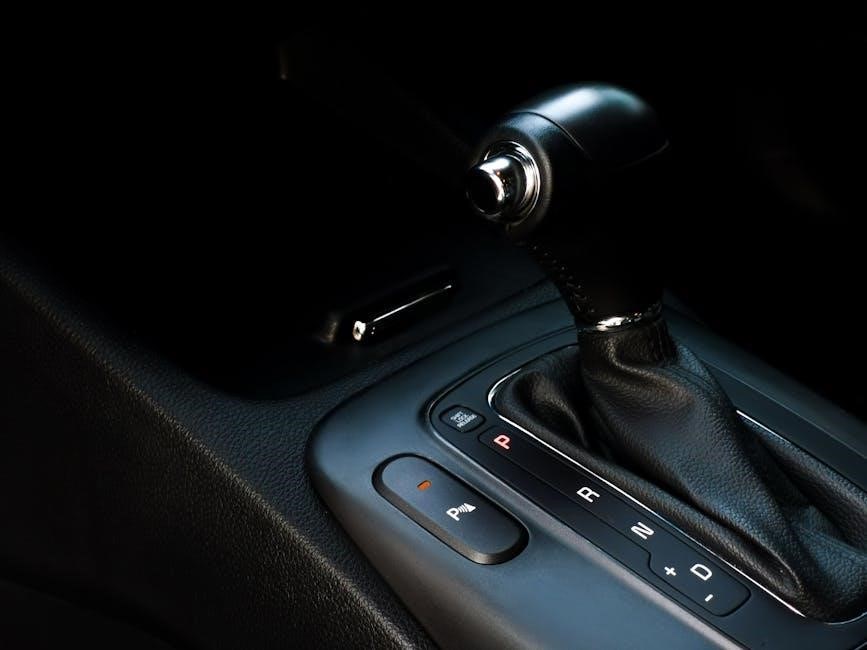
Audi Q5 Manual Transmission: A Comprehensive Guide
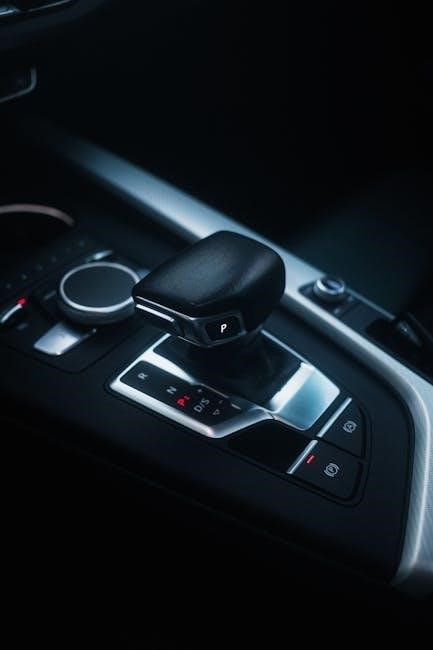
Delving into the intricacies of the Audi Q5’s manual gearbox reveals a rewarding driving experience‚ blending German engineering with driver engagement and control․
The Audi Q5‚ renowned for its sophisticated design and robust performance‚ offered enthusiasts a compelling choice: a traditional six-speed manual transmission․ While increasingly rare in the luxury SUV segment‚ the manual Q5 provides a uniquely connected driving experience‚ appealing to those who prioritize control and engagement․
This guide serves as a comprehensive resource for owners and prospective buyers interested in understanding the nuances of the Q5’s manual gearbox․ We’ll explore everything from the technical specifications and operational mechanics to driving techniques and maintenance procedures․
The availability of a manual transmission in the Q5 was primarily concentrated in earlier model years‚ catering to a specific demographic seeking a more involved driving dynamic․ Understanding its features and potential issues is crucial for maximizing enjoyment and ensuring longevity․ This exploration will empower you with the knowledge to confidently operate and maintain this engaging system․
Why Choose a Manual Q5? (Benefits & Drawbacks)
Opting for a manual Audi Q5 presents a distinct set of advantages and disadvantages․ Benefits include a more engaging driving experience‚ greater control over gear selection‚ and often‚ a lower purchase price compared to automatic variants․ Enthusiasts appreciate the direct connection to the vehicle and the ability to tailor performance to specific driving conditions․
However‚ there are drawbacks to consider․ Manual transmissions require more driver effort‚ particularly in stop-and-go traffic․ They can be less convenient for daily commuting and may slightly reduce fuel efficiency if not driven optimally; Resale value might also be lower due to diminishing demand for manual vehicles․
Ultimately‚ the decision hinges on personal preference․ If you value driver involvement and are willing to accept the added effort‚ a manual Q5 offers a rewarding experience․ If convenience and ease of use are paramount‚ an automatic transmission might be a better fit․
Understanding the Q5’s Manual Transmission System

The Audi Q5’s manual system is a meticulously engineered assembly‚ designed for precise gear changes and robust durability‚ enhancing the driving experience significantly․
Gearbox Specifications & Ratios (Detailed Breakdown)
The Audi Q5’s 6-speed manual transmission‚ typically found in earlier models‚ boasts a robust internal construction․ First gear utilizes a ratio of 3․78:1‚ providing strong acceleration from a standstill․ Second gear steps down to 2․18:1‚ continuing brisk progress․ Third‚ at 1․37:1‚ offers a balance of acceleration and cruising․ Fourth gear‚ with a ratio of 0․93:1‚ is ideal for highway speeds․ Fifth gear‚ at 0․79:1‚ enhances fuel efficiency during sustained travel․ Finally‚ sixth gear‚ a tall 0․66:1‚ maximizes economy on the open road․
The final drive ratio commonly sits around 3․90:1‚ further influencing overall gearing․ These ratios are carefully calibrated to complement the Q5’s engine characteristics‚ delivering a responsive and engaging driving experience․ Variations may exist depending on the specific engine and model year‚ but these figures represent a typical configuration․
Clutch System: Components and Operation
The Audi Q5’s manual transmission relies on a hydraulic clutch system for smooth gear changes․ Key components include the clutch disc‚ pressure plate‚ release bearing‚ and master/slave cylinders․ When the clutch pedal is depressed‚ it activates the master cylinder‚ sending hydraulic fluid to the slave cylinder․
The slave cylinder then pushes on the release bearing‚ disengaging the pressure plate from the clutch disc․ This separation allows the driver to shift gears freely․ Upon releasing the pedal‚ the pressure plate re-engages‚ transmitting engine power to the transmission․ The Q5 typically employs a single-plate dry clutch․ Proper clutch operation requires a consistent pedal feel and minimal slippage‚ indicating healthy component function․ Regular inspection and maintenance are crucial for longevity․
Shifting Mechanism: How it Works
The Audi Q5’s manual transmission shifting mechanism is a carefully engineered system connecting the gear lever to the internal shift forks within the gearbox․ Cables‚ or in some cases a short shifter linkage‚ translate the driver’s lever movements into precise fork positioning․ These forks then engage or disengage specific gears․
Synchromesh units play a vital role‚ matching the speeds of the selected gear and the main shaft before full engagement‚ preventing grinding․ The shift pattern‚ typically a traditional H-pattern‚ dictates the gear arrangement․ Precise and deliberate movements are essential for smooth shifts․ Internal components like shift bushings contribute to shifter feel and accuracy․ A well-maintained shifting mechanism ensures crisp‚ reliable gear changes․

Driving a Manual Q5: Techniques & Best Practices
Mastering the Audi Q5’s manual transmission unlocks a dynamic connection‚ demanding precise coordination of clutch‚ throttle‚ and shifter for optimal control and enjoyment․
Proper Shifting Techniques for Smooth Transitions
Achieving seamless gear changes in your Audi Q5 manual requires a refined technique․ Begin by fully depressing the clutch pedal‚ simultaneously disengaging the current gear․
Swiftly‚ yet deliberately‚ move the gear lever to the desired gear position‚ avoiding any forcing or hesitation․ Coordinate the release of the clutch with a gentle application of the throttle․
The key is synchronization – matching engine speed to road speed in the next gear․
Listen to the engine; a smooth transition will be accompanied by minimal noise or jerkiness․
Practice heel-toe downshifting (for advanced drivers) can further refine transitions‚ especially during spirited driving․
Avoid ‘riding’ the clutch‚ as this causes premature wear․
Hill Starts: Mastering the Technique
Conquering hills in a manual Audi Q5 demands a specific technique to prevent rollback․ Engage the handbrake firmly before attempting to move forward․
With the handbrake applied‚ position your right foot over the accelerator and the left foot on the clutch․
Gradually raise the clutch pedal while simultaneously applying gentle pressure to the accelerator․
As you feel the engine begin to pull‚ release the handbrake smoothly and continue coordinating clutch and throttle․
A quick transition is crucial to avoid rolling backward;
Alternatively‚ utilize the ‘hill-hold control’ feature (if equipped) which automatically maintains brake pressure briefly․
Practice makes perfect; mastering hill starts builds confidence and prevents stalling․
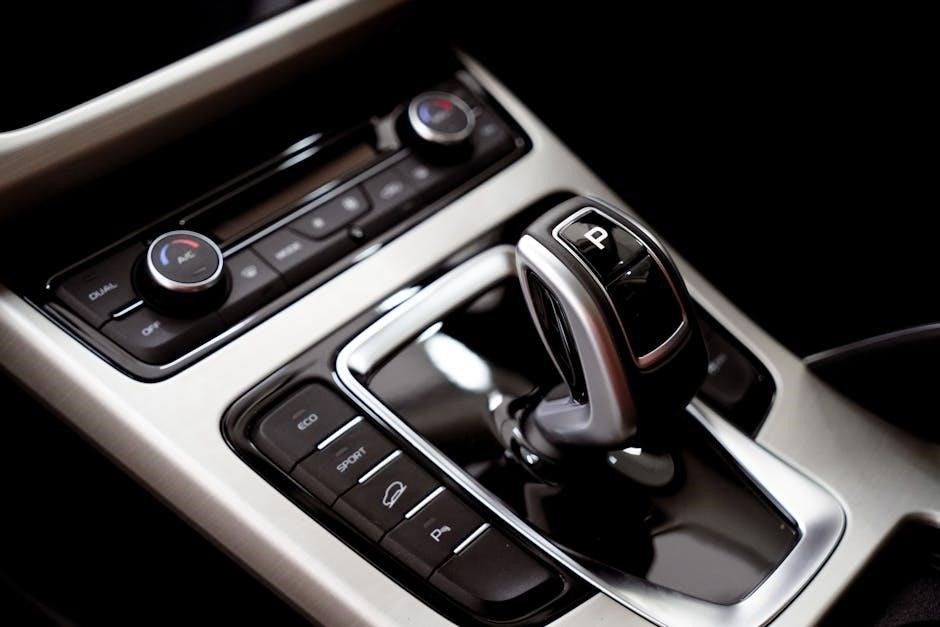
Downshifting & Engine Braking Explained
Downshifting in your Audi Q5 manual utilizes the engine’s resistance to slow the vehicle‚ reducing reliance on the brakes – known as engine braking․
Before a corner or deceleration‚ depress the clutch and select a lower gear appropriate for your speed․
Simultaneously ‘blip’ the throttle during the downshift to match engine speed to wheel speed‚ creating a smoother transition and preventing jolts․
Release the clutch gradually while maintaining a consistent throttle position․
Effective engine braking enhances control‚ especially on descents‚ and minimizes brake fade․
Avoid aggressive downshifts that can upset the vehicle’s balance․
Mastering this technique improves driving efficiency and provides a more engaging experience․

Maintenance & Common Issues
Proactive upkeep and swift attention to potential problems ensure the longevity and optimal performance of your Audi Q5’s manual transmission system․
Regular Maintenance Schedule for Manual Transmissions
Maintaining your Audi Q5’s manual transmission requires a consistent schedule to prevent costly repairs and ensure smooth operation․ Every 30‚000 to 60‚000 miles‚ or every two to five years (depending on driving conditions)‚ the transmission fluid should be inspected for contamination and level․
Complete fluid changes are generally recommended every 60‚000 to 100‚000 miles‚ utilizing Audi-approved gear oil․ Simultaneously‚ inspect the clutch master and slave cylinders for leaks․
The clutch pedal should be checked for smooth operation and proper travel․ Regularly inspect the shift linkage for wear and tear‚ ensuring precise gear engagement․ Don’t neglect the dust cover for the transmission; check for damage that could allow contaminants to enter․
Finally‚ a visual inspection of the transmission housing for any signs of leaks or damage is crucial during routine servicing․

Common Problems & Troubleshooting (e․g․‚ Clutch Wear‚ Gear Grinding)
Several issues can plague the Audi Q5’s manual transmission․ Clutch wear is frequent‚ manifesting as slippage during acceleration or difficulty engaging gears․ Gear grinding‚ particularly when shifting‚ often indicates synchronizer issues or low transmission fluid․
Hard shifting can stem from a worn clutch master/slave cylinder or damaged shift linkage․ Unusual noises‚ like whining or clunking‚ may signal bearing or gear damage․
If you experience these symptoms‚ first check the transmission fluid level and condition․ A fluid change might resolve minor issues․ However‚ persistent problems necessitate professional diagnosis․
Ignoring these warning signs can lead to more extensive and expensive repairs‚ potentially requiring transmission rebuild or replacement․ Early detection and intervention are key to maintaining optimal performance․
Fluid Checks & Changes: What You Need to Know
Maintaining the correct transmission fluid level and condition is crucial for your Audi Q5’s manual gearbox․ Check the fluid level periodically using the dipstick – typically located near the transmission․ The fluid should be bright red and translucent; dark or murky fluid indicates contamination and the need for a change․
Audi specifies a specific GL-4 gear oil for the Q5’s manual transmission․ Using the incorrect fluid can cause damage․ Fluid change intervals vary‚ but generally‚ a change is recommended every 30‚000 to 60‚000 miles‚ or sooner with aggressive driving․
The process involves draining the old fluid‚ replacing the drain plug washer‚ and refilling with the correct amount of new fluid․ Ensure proper disposal of the used fluid․
Performance & Modifications
Enhancing a manual Q5’s performance involves strategic upgrades‚ focusing on responsiveness and control‚ unlocking its full potential through careful component selection․
Impact of Manual Transmission on Fuel Efficiency
The relationship between a manual transmission and fuel efficiency in the Audi Q5 is nuanced‚ often exceeding that of its automatic counterpart when skillfully operated․ A manual gearbox allows the driver complete control over engine RPM‚ enabling optimal gear selection for various driving conditions․ This direct control minimizes parasitic losses inherent in torque converter automatics‚ translating to improved mileage․
However‚ realizing these gains depends heavily on driver technique․ Smooth‚ timely shifts and avoiding unnecessary revving are crucial․ Aggressive driving or frequent stop-and-go traffic can negate the benefits․ Modern automatics with numerous gears and lock-up torque converters have narrowed the gap‚ but a well-driven manual Q5 still holds an advantage‚ particularly on highways․ Ultimately‚ the driver’s skill and habits are the most significant factors influencing fuel economy‚ regardless of transmission type․
Performance Modifications: Short Shifters & Clutch Upgrades
Enhancing the driving experience of a manual Audi Q5 often begins with modifications to the shifting mechanism and clutch system․ A short-shifter dramatically reduces throw length‚ resulting in quicker‚ more precise gear changes‚ fostering a sportier feel․ These kits typically replace factory components‚ improving engagement and driver confidence․
Clutch upgrades are essential for handling increased power from engine tuning or simply improving pedal feel․ Options range from performance pressure plates for firmer engagement to complete clutch kits with upgraded discs and release bearings․ A stronger clutch is vital to prevent slippage and ensure reliable power transfer․ Careful consideration of driving style and power levels is crucial when selecting components; an overly aggressive clutch can compromise daily drivability․ Proper installation is paramount for optimal performance and longevity․
Comparing Manual vs․ Automatic Q5 Performance
The debate between manual and automatic transmissions in the Audi Q5 centers around driving experience and quantifiable performance metrics․ Generally‚ a manual Q5 exhibits slightly quicker acceleration due to the direct power transfer and elimination of torque converter losses inherent in automatics․ However‚ modern automatic transmissions‚ particularly Audi’s S tronic dual-clutch‚ often match or surpass manual times thanks to incredibly fast shift speeds and optimized gear ratios․
Fuel economy is often comparable‚ though skillful manual driving can potentially yield marginal gains․ The primary difference lies in driver engagement; the manual offers complete control‚ while the automatic prioritizes convenience․ Ultimately‚ the “better” performance depends on driver preference and skill․ For spirited driving and track use‚ the manual provides a more connected feel‚ while the automatic excels in everyday commuting and effortless cruising․

Resources & Further Information
Explore dedicated Q5 forums and Audi’s official channels for repair manuals‚ technical diagrams‚ and a wealth of knowledge from fellow enthusiasts․
Online Forums & Communities for Q5 Owners
Numerous online platforms cater specifically to Audi Q5 owners‚ providing invaluable resources for those with manual transmissions․ AudiWorld’s Q5 forum is a highly active community‚ boasting extensive threads on maintenance‚ repairs‚ and performance modifications․
Q5 owners frequently share their experiences‚ troubleshooting tips‚ and DIY guides‚ making it an excellent place to seek advice or contribute your own knowledge․ Another valuable resource is the VWvortex forum‚ which includes a dedicated Audi section with Q5-specific discussions․
Reddit’s r/Audi subreddit also features Q5-related conversations‚ though it’s broader in scope․ Facebook groups dedicated to Audi Q5s can offer quick answers and local meetups․ These communities are fantastic for diagnosing issues‚ finding reliable mechanics‚ and staying informed about common problems affecting the manual transmission․
Official Audi Documentation & Repair Manuals
Accessing official Audi documentation is crucial for in-depth understanding and accurate repairs of your Q5’s manual transmission․ Audi’s official website offers service manuals‚ technical service bulletins (TSBs)‚ and wiring diagrams‚ though often requiring a subscription or purchase․
Bentley Publishers is a renowned source for comprehensive repair manuals specifically tailored to Audi vehicles‚ including detailed sections on the manual gearbox․ These manuals provide step-by-step instructions‚ torque specifications‚ and exploded views‚ invaluable for DIY mechanics․
Erwin․Audi․com is Audi’s official online resource for repair information‚ offering access to the same data used by Audi technicians․ While a paid service‚ it provides the most accurate and up-to-date information․ Always prioritize official documentation when performing complex repairs to ensure safety and maintain vehicle integrity․