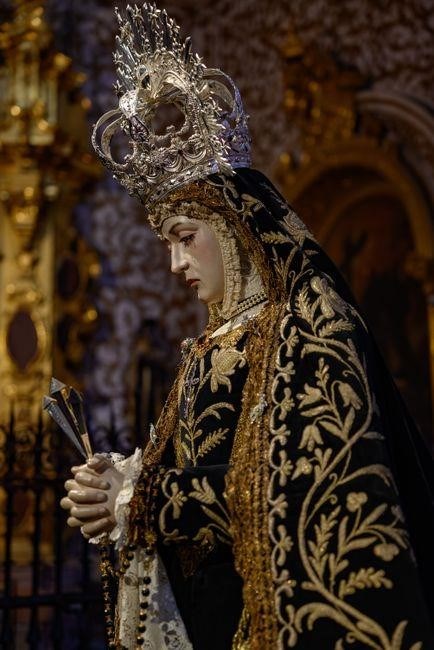
The 7‑Dolor Rosary PDF invites believers to meditate on the Virgin’s seven sufferings, from Simeon’s prophecy to burial. It offers prayers, reflections, and guidance for personal devotion and communal prayer. and guides daily devotion, reflection.!
Historical Context
Originating in the early 20th century, the 7‑Dolor Rosary emerged as a devotion that concentrates on the Virgin’s seven sufferings during Christ’s Passion. The practice evolved from the traditional Rosary, adding meditations that trace the announcement by Simeon, the flight to Egypt, the loss of Jesus in the Temple, the crucifixion, the descent from the cross, the piercing of the side, and the burial. Early mystics and theologians, such as St. John of the Cross and St. Teresa of Ávila, emphasized the value of these pains, encouraging the faithful to join Mary in sorrow.
In the 1920s, the devotion was popularized by Marian societies across Europe, and it was later incorporated into the liturgical calendar of the Catholic Church. The PDF format, introduced in the late 1990s, made rosary more accessible, allowing believers worldwide to download, print, meditate on seven pains at home or in community. Theversion preserves prayers adding commentary ensuring devotion remains relevantspirituality. It includes a summary of each pain highlighting references and prayer suggestions in meditation.
Significance
The 7‑Dolor Rosary PDF serves as a profound spiritual tool that deepens the believer’s connection to Mary’s compassion and the Passion of Christ. By focusing on each of the seven sufferings—from Simeon’s prophecy to the burial—practitioners are invited to contemplate the depth of divine love, the cost of redemption, and the human experience of sorrow. The devotion encourages empathy, fostering a personal sense of solidarity with Mary’s maternal grief and an awareness of the transformative power of suffering. It also provides a structured framework for meditation, prayer, and reflection, enabling individuals to integrate the lessons of the Passion into daily life. The PDF format enhances accessibility, allowing believers worldwide to download, print, and share the prayers, thereby promoting communal devotion and spiritual growth. Moreover, the 7‑Dolor Rosary aligns with Catholic teachings on the intercession of the Virgin, reinforcing her role as a compassionate intercessor who can help believers navigate spiritual battles, protect against temptation, and offer comfort in times of distress. The PDF’s inclusion of prayers, reflections, and guidance encourages consistent practice, deepening faith, and nurturing a more intimate relationship with Mary and Christ. It invites believers to reflect on how Mary’s sorrow mirrors human suffering, inspiring compassion, resilience, and a deeper commitment to living Christ’s teachings in everyday actions.

Structure of the PDF
Each section offers a reflection, guiding through a contemplative journey for . It begins with opening prayers, continues through seven distinct pain sections, and concludes with a closing prayer. PDF format ensures access for ailydevotion.

Opening Prayers
The PDF begins with a set of opening prayers that invite the faithful to center their hearts on the Virgin’s sorrowful path. It opens with a short invocation, asking the Mother of God to guide the mind and spirit toward the seven pains that will be meditated upon. The text then presents a series of short prayers: a brief “Hail Mary” for each of the seven pains, a “Lord’s Prayer” that frames the meditation, and a short “Glory Be” to conclude the opening section. The prayers are written in a gentle, reflective tone, encouraging the reader to breathe deeply, let the words settle, and prepare to walk with Mary through each sorrow. The PDF also suggests a brief moment of silence before beginning the first pain, allowing the heart to be receptive to the divine presence. This opening section sets the tone for the entire devotion, reminding believers that the rosary is a conversation with the Mother of Christ and a path toward spiritual healing. The PDF encourages the faithful to repeat each prayer aloud, fostering a deeper connection with Mary’s sorrow and a greater sense of compassion for all suffering. By integrating these prayers into daily life, believers can cultivate a resilient spirit that mirrors Mary’s steadfast faith amid pain. This practice is timeless daily.
Seven Pain Sections
The PDF outlines seven distinct pain sections, each reflecting a sorrow of the Virgin Mother. It begins with Simeon’s prophecy, then the flight to Egypt, the loss of Jesus in the temple, the crucifixion, the descent from the cross, the piercing of the side, and finally the burial. Each section is paired with prayers, reflections, and meditative prompts that guide the faithful through sorrowful remembrance, fostering empathy, humility, and a deeper connection with divine mystery. The opening prayers invite contemplation of Mary’s steadfast love amid profound pain, while the closing prayers seek comfort and hope. By engaging with each pain, believers deepen faith, compassion, and solidarity. The PDF encourages readers to pause, breathe, and let each sorrow resonate within hearts, allowing pain to transform into spiritual nourishment. The structure leads from first sorrow to final burial, creating a cohesive devotional experience that honors Mary’s full spectrum of pain and the hope that arises from it. The PDF also offers guidance on how to integrate these prayers into daily life, encouraging believers to keep a journal of reflections and share insights within their communities. Readers are invited to observe how pain deepens empathy for souls worldwide.
Closing Prayer
As the final breath of the 7‑Dolor Rosary draws close, the PDF invites the faithful to offer a heartfelt closing prayer. This prayer acknowledges the Virgin’s profound sorrow, her unwavering faith, and her intercessory power. It begins with gratitude for the opportunity to meditate on each of the seven sufferings, asking that the reflections deepen our compassion for those who suffer today. The text then petitions the Mother of God to intercede for the souls of the departed, for the healing of the wounded, and for the protection of the faithful against spiritual trials. The prayer calls upon her to guide believers toward the hope that rises from sorrow, and to grant the grace to carry the lessons of humility, patience, and love into daily life. The closing words echo the tradition of the Rosary, inviting the reader to carry the peace of Mary into the world, trusting in her maternal love and mercy.

The Seven Pains Explained
The PDF details each of the seven sufferings, from Simeon’s prophecy to the burial, offering prayers and reflections that deepen devotion and understanding of Mary’s sorrow. The prayers seek Mary’s intercession for suffering, healing, hope, guiding!
First Pain ─ Prophecy of Simeon
The Rosary of the Seven Sorrows PDF invites believers to meditate on the first sorrow, the prophecy of Simeon. In Luke’s Gospel, Simeon, guided by the Holy Spirit, recognizes the infant Jesus as the promised Messiah, declaring, “Behold, this child is the salvation of God.” Mary, filled with sorrow and joy, accepts divine will. The prayer reflects on Mary’s acceptance, humility, and steadfast faith, urging the faithful to trust God’s plan and seek intercession for compassion. It includes an opening prayer, seven Hail Marys, and a concluding prayer honoring Mary’s sorrow and gratitude. The text offers meditative reflections on suffering, the Incarnation, and living faith amid trials, deepening understanding of Mary’s maternal love and willingness to bear humanity’s weight. The PDF provides a structured format for recitation, allowing individuals or groups to pray together, share spiritual benefits, and seek Mary’s intercession in all aspects of life. The devotion encourages believers to reflect on Mary’s sorrow as a source of hope, reminding them that through her suffering, grace and redemption are gained. By reciting this prayer, participants strengthen faith, find comfort in trials, and seek Mary’s intercession. In faith. Amen Truly OK

Second Pain ⎯ Flight to Egypt
The Rosary of the Seven Sorrows PDF guides the faithful through the second sorrow: the flight to Egypt. In the Gospel of Matthew, Joseph, guided by an angel, carries Mary and infant Jesus to safety, leaving behind the cradle of Nazareth. This journey, marked by fear, uncertainty, and divine protection, becomes a profound meditation on trust and obedience. The prayer offered in the PDF invites believers to reflect on Mary’s courage as she faces exile, her sorrow for leaving her homeland, and her steadfast faith in God’s promise. Reciting the Hail Marys during this section encourages contemplation of Mary’s willingness to endure hardship for the sake of her Son’s mission. The accompanying reflection highlights the theme of refuge: how Mary’s flight mirrors the spiritual refuge believers seek in God’s presence. The PDF’s structure allows for a quiet, contemplative atmosphere, with a short opening prayer, seven Hail Marys, and a closing prayer that thanks the Mother of God for her intercession and asks for protection in times of trial. By meditating on this sorrow, the faithful are reminded that even in exile, God’s love remains steadfast, guiding them toward hope and redemption. May Mary’s intercession guide us through all trials. Amen!

Third Pain ⎯ Losing Jesus in the Temple

The Rosary of the Seven Sorrows PDF invites the faithful to meditate on the third sorrow: the loss of Jesus in the Temple. In the Gospel of Luke, Mary and Joseph search for the child for three days, fearing for his safety. The PDF offers a structured prayer: an opening invocation, seven Hail Marys, and a reflective meditation on Mary’s anguish. The reflection emphasizes the mother’s sorrow for the child’s absence, her fear of the unknown, and her trust in God’s providence. The prayer encourages believers to contemplate the moment when Mary’s heart was pierced by the knowledge that her son was in danger. It also invites the faithful to seek Mary’s intercession in times of loss and uncertainty. The closing prayer thanks the Mother of God for her compassion and asks for strength to endure trials. By meditating on this sorrow, the faithful are reminded that Mary’s love endures even in the face of fear, and that God’s love protects even the most vulnerable. May her intercession guide us through all moments of uncertainty. The prayer also includes a short reflection on the significance of the Temple as a place of worship and the symbolic meaning of Jesus’ presence there. The PDF encourages the reader to imagine the bustling streets of Jerusalem, the scent of incense, and the weight of expectation. Mary’s sorrow is portrayed as a mother’s grief, a universal experience that resonates with believers who have lost loved ones. The prayer invites the faithful to offer their own losses and ask for Mary’s intercession to bring healing and peace. The closing prayer concludes with a request for the Holy Spirit to guide the faithful in their daily lives, to protect them from fear, and to help them trust in God’s plan. The PDF also provides a brief historical context, noting that the event is recorded in the Gospel of Luke 2:41‑52, and that it has been a subject of devotion for centuries. The structure of the prayer is designed to be recited during personal devotion or in a group setting, fostering a sense of community. By engaging with this sorrow, the faithful are reminded that sorrow can lead to deeper faith, and that Mary’s example of trust in God can inspire believers to persevere through their own trials. The PDF also includes a short excerpt from the liturgical text, reminding the reader that Mary’s sorrow is a source of comfort for the Church. The prayer concludes with a benediction: “May the Holy Mother of God intercede for us, that we may find solace in her love and courage in her example.” The use of the Rosary of the Seven Sorrows PDF allows believers to connect with the maternal compassion of Mary, to experience the depth of her sorrow, and to seek her intercession in times of personal crisis. In addition, the PDF offers a brief guide on how to incorporate this prayer into daily life, suggesting that the faithful recite the Hail Marys at the start of each day, or during moments of distress, to bring the mother’s compassion into their own hearts. By following this guidance, the faithful can cultivate a deeper relationship with Mary, and experience the transformative power of her sorrow. The PDF also emphasizes the importance of community prayer, encouraging believers to gather in small groups to meditate on the sorrow together, sharing personal testimonies and offering mutual support. Finally, the PDF reminds readers that the sorrow of Mary is not a source of despair, but a source of hope, as her tears ultimately led to the salvation of humanity. Thus, the Rosary of the Seven Sorrows PDF serves as a powerful tool for spiritual growth, inviting believers to walk with Mary through her sorrow and to find comfort in her unwavering faith.
Fourth Pain ─ Crucifixion
The Rosary of the Seven Sorrows PDF invites believers to meditate on the fourth sorrow: the crucifixion of Jesus. In John’s Gospel, Mary stands at the foot of the cross, witnessing her son’s suffering. The PDF offers a structured prayer: an opening invocation, seven Hail Marys, and a meditation on Mary’s anguish. It highlights the mother’s sorrow for her son’s death, her fear of the unknown, and her trust in God’s providence. The prayer encourages reflecting on the moment when Mary’s heart was pierced by the knowledge that her son was in agony. It invites seeking Mary’s intercession during loss and uncertainty. The closing prayer thanks the Mother of God for her compassion and asks for strength to endure trials. By meditating on this sorrow, the faithful remember that Mary’s love endures even in fear and that God’s love protects the vulnerable. May her intercession guide us through all moments of uncertainty. The prayer reflects on the cross as a symbol of sacrifice and the power of Mary’s love. The PDF emphasizes that Mary’s sorrow is a source of hope, as her tears ultimately led to humanity’s salvation. Thus, the Rosary serves as a tool, inviting believers to walk with Mary through sorrow and find comfort in her daily faith.
Fifth Pain ⎯ Descent from the Cross
In the Rosary of the Seven Sorrows PDF, the fifth sorrow centers on the descent of Jesus from the cross. The text invites the faithful to meditate on the moment when Mary, the mother of Jesus, watched her son’s body being lowered from the crucifix. The prayer sequence includes an opening invocation, a series of Hail Marys, and a meditation on the sorrowful image of the Mother of God. The PDF emphasizes Mary’s profound grief, her fear of loss, and her steadfast trust in God’s plan. It encourages believers to ask for Mary’s intercession in times of grief, to seek comfort in her compassion, and to reflect on the significance of the cross as a symbol of sacrifice and redemption; The closing prayer thanks the Mother of God for her love, asks for strength to endure suffering, and prays that her tears may bring healing to all who mourn. By meditating on this sorrow, the faithful are reminded that Mary’s tears are a source of hope and that her love endures even in the darkest moments. The Rosary of the Seven Sorrows PDF thus serves as a guide for personal devotion, helping believers to walk with Mary through sorrow and to find solace in her unwavering faith and love. May her intercession guide usalways today
In the Rosary of the Seven Sorrows PDF, the sixth sorrow focuses on the piercing of Jesus’ side by a Roman soldier. The text invites the faithful to contemplate the moment when Mary, the mother of Jesus, witnessed her son’s wound and the blood that flowed, symbolizing the depth of divine love and the cost of salvation. The prayer sequence includes an opening invocation, a series of Hail Marys, and a meditation on the sorrowful image of the Mother of God as she mourns the piercing of her son’s side. The PDF emphasizes Mary’s profound grief, her fear of loss, and her steadfast trust in God’s plan. It encourages believers to ask for Mary’s intercession in times of grief, to seek comfort in her compassion, and to reflect on the significance of the cross as a symbol of sacrifice and redemption. The closing prayer thanks the Mother of God for her love, asks for strength to endure suffering, and prays that her tears may bring healing to all who mourn. By meditating on this sorrow, the faithful are reminded that Mary’s tears are a source of hope and that her love endures even in the darkest moments. The Rosary of the Seven Sorrows PDF thus serves as a guide for personal devotion, helping believers to walk with Mary through sorrow and to find solace in her unwavering faith and love. Invite us to share her compassion and trust God’s mercy always so
Seventh Pain ─ Burial
The burial of Jesus marks the final sorrow in the Rosary of the Seven Sorrows PDF. It recalls the moment when Mary, the mother of Christ, watched her son’s body laid in the tomb, surrounded by mourners, and the weight of grief pressing upon her heart. The prayer sequence invites the faithful to reflect on the sorrowful image of the Mother of God, who, after witnessing the crucifixion, now faces the burial of her beloved son. The text emphasizes Mary’s profound grief and her acceptance of God’s plan, encouraging believers to seek her intercession in times of loss and to find comfort in her compassion. The PDF includes an opening invocation, a series of Hail Marys, and a meditation on the sorrowful image of the Mother of God. It ends with a closing prayer that thanks the Mother of God for her love, asks for strength to endure suffering, and prays that her tears may bring healing to all who mourn. By meditating on this sorrow, the faithful are reminded that Mary’s tears are a source of hope and that her love endures even in the darkest moments.
The burial scene highlights Mary’s sorrow as she watches her son’s body laid in the tomb, surrounded by mourners, weight of grief pressing upon her heart. It invites the faithful to pray for the dead seek Mary’s intercession, offering comfort hope.

Practical Usage
Download the PDF, print it, and keep it in a prayer book. Use it during personal devotion or group prayer, following the suggested order of prayers and reflections. It’s a simple, powerful tool Keep each prayer heartfelt dear
Downloading and Printing
Step 1: Find a trusted source offering the Rosario de los 7 Dolores PDF. Catholic sites, diocesan portals, and devotionals often provide free, high‑resolution downloads. Ensure the link is secure (https) and the file size is reasonable (200–400 KB). Step 2: Click download, save to a known folder like “Downloads.” Step 3: Open the PDF with a reliable reader (Adobe Acrobat, Foxit, or built‑in viewers). Verify all seven sections and prayers display correctly. Step 4: To print, choose a high‑quality printer, use thick paper (80 gsm+), and select “Print all pages.” For a devotional touch, print on parchment‑style paper or use a local shop that offers custom binding. Step 5: Store the printed rosary in a clean, dry place—ideally a small box or dedicated shelf in your prayer area. Remember to keep the rosary in a respectful position during prayer, and keep it for daily use and group gatherings.

Use a PDF annotation tool to highlight key verses or add notes. This helps you remember specific moments of the Virgin’s suffering and deepens your meditation.
Prayer Guidelines
Begin with the opening prayers, then recite each of the seven pains. For each pain, say a “Our Father” followed by seven “Hail Marys.” Keep a quiet, reverent tone. Use a rosary or a printed PDF to follow the sequence. When you reach the final pain, pause to reflect on the Virgin’s sorrow and offer a personal intention. Conclude with the closing prayer, thanking Mary for her intercession. If you prefer, add a silent moment after each pain to contemplate the event. Adjust the number of Hail Marys if you have time constraints, but keep the structure consistent. Remember to breathe slowly, focus on the imagery of the Passion, and let the prayers guide your heart toward compassion and humility. This method helps deepen devotion, fosters empathy for suffering, and strengthens faith in Mary’s maternal care. For those who wish to share, distribute the PDF within your community, ensuring each person has a copy to practice daily. If you have a favorite prayer book, align the PDF with your personal devotion. Finally, keep the PDF accessible for future generations, so the rosary’s legacy endures.
Community Practices
In many parishes, the 7‑Dolor Rosary is recited during Mass, especially on the feast of Our Lady of Sorrows. Groups gather in the nave, each holding a printed PDF or a rosary. The priest leads the opening prayers, then the congregation follows the seven pains in unison. After the final pain, a communal “Hail Mary” is sung, and the faithful offer personal intentions. Some churches organize a “Sorrowful Liturgy” where the rosary is integrated with readings from the Passion narrative. In smaller communities, families share the PDF at home, using it as a point of reflection before evening prayer. Many dioceses distribute the PDF through their websites, allowing laypeople to download and print it. Online forums also host virtual rosary sessions, where participants log in simultaneously, recite together, and share testimonies. These practices strengthen communal bonds, foster a shared sense of empathy for suffering, and reinforce the belief in Mary’s intercession. The PDF’s structured format makes it easy to incorporate into both formal liturgy and informal devotion, ensuring that the message of the Seven Sorrowful Loves reaches a wide audience.
Members share reflections fostering worldwide unity daily now.